Ways to Reduce Your Water Bills

Easy Ways to Help Reduce Water Bills

Lowering water consumption does not necessarily require drastic lifestyle changes. Instead, it involves a combination of mindful daily routines and ensuring the home’s plumbing system is functioning at peak efficiency.

Implement Water-Saving Habits

sinkOne of the most effective ways to save water is by adjusting simple daily routines. Indoors, homeowners can preserve a significant amount of water by making small adjustments at the tap. For instance, turning off the faucet while brushing teeth or shaving can prevent gallons of water from flowing needlessly down the drain. Additionally, modern dishwashers are often more water-efficient than washing dishes by hand in a running sink. To maximize these benefits, the dishwasher should be operated only when it is at full capacity.

Conserving water outdoors is also critical for managing overall usage. A key habit for maintaining a landscape while controlling costs is to avoid watering the yard during the middle of the day. When temperatures are highest, evaporation occurs rapidly, meaning more water is required to reach the plants' roots. Scheduling irrigation for the early morning or late evening ensures that moisture is absorbed more effectively, reducing waste.

Install Water-Saving Fixtures

shower Upgrading old or inefficient plumbing fixtures is another high-impact method for long-term conservation. Modern technology allows manufacturers to produce fixtures that provide excellent performance while using significantly less water than older models.

  • Low-flow showerheads: These devices maintain a satisfying spray and consistent water pressure while using a fraction of the water required by traditional showerheads.
  • Water-saving toilet: Replacing an aging, high-volume toilet with a dual-flush or gravity-assist model can lead to substantial savings over time.
  • Faucet aerators: Adding a faucet aerator is an inexpensive way to mix air into the water stream. This reduces the total volume of water used at the sink without a perceived loss in pressure.

Fix Water Leaks

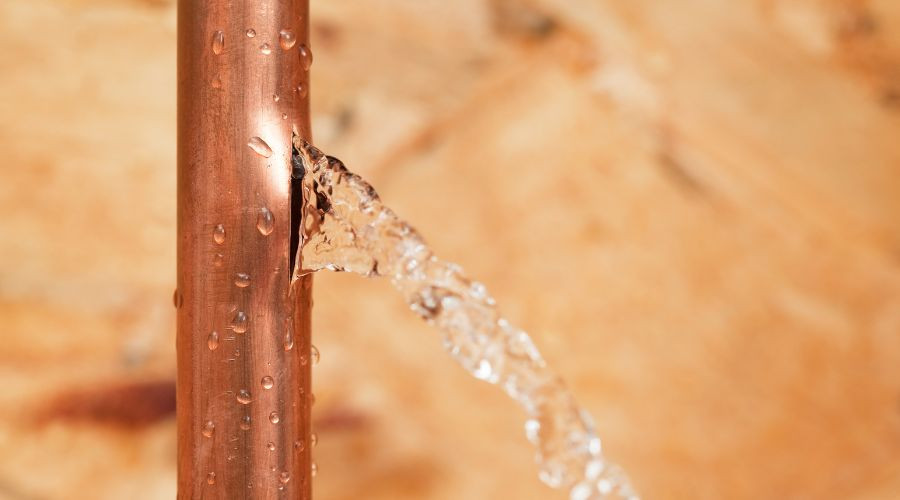
Hidden leaks are frequently the reason behind a sudden and unexplained spike in a water bill. Even a seemingly minor drip from a faucet or a silent leak in a toilet can waste thousands of gallons of water annually. Homeowners should stay alert for common indicators of a problem, such as unexpectedly low water pressure, damp spots on walls or floors, or the sound of water running when no fixtures are in use.

If a leak is suspected, it is vital to contact a professional for water leak detection. Identifying the exact source of the problem enables precise, effective water leak repair. Addressing these issues promptly not only helps to save water but also protects the home from potential structural damage caused by long-term moisture exposure.

About About Plumbing Inc.

About Plumbing Inc. is a trusted plumbing service serving Jefferson County, MO. They provide experienced plumbers, straightforward pricing, and the latest technology. Call for plumbing services in Jefferson County, MO

Key Benefits of Installing a Tankless Water Heater

Why Go Tankless?

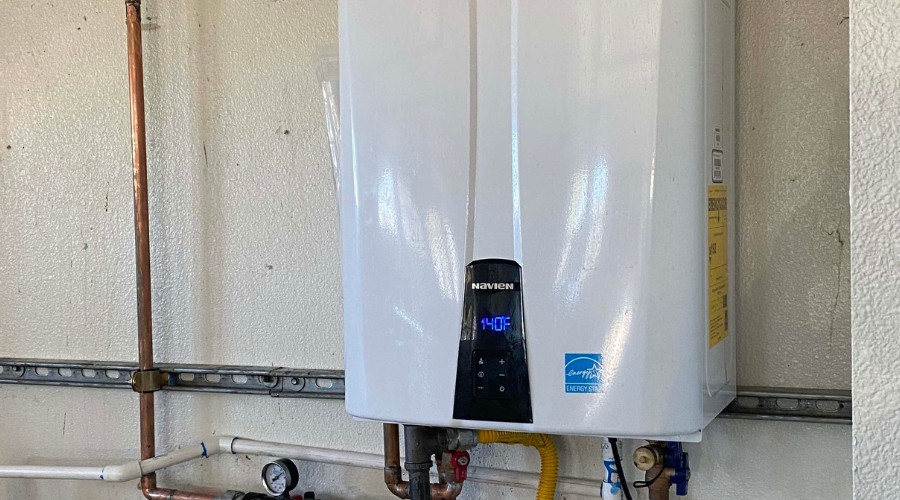
Tankless water heaters continue to gain attention across residential and light commercial plumbing projects. Many plumbing contractors recommend this system due to efficiency, performance, and long-term value. A shift toward tankless technology supports modern water heating needs without unnecessary waste.

Energy Efficiency

save money Tankless water heaters heat water only when hot water demand occurs, rather than maintaining a constant supply in a storage tank. This process reduces standby heat loss, which is commonly experienced in traditional storage water heaters. Lower energy usage often results in reduced utility expenses and improved efficiency ratings.

Energy-efficient water heating remains a priority within the plumbing industry. Tankless systems use advanced heating elements or gas burners designed for precise temperature control. Consistent performance supports energy savings across daily water usage.

Modern plumbing contractors frequently highlight efficiency as a key advantage during water heater consultations. Reduced energy consumption aligns with current building standards and sustainability goals. Long-term operating savings add value to professional tankless water heater installation.

Endless Hot Water Supply and Space Savings

shower head Tankless water heaters deliver hot water on demand, rather than storing a limited supply in a tank. This design eliminates concerns related to running out of hot water during peak usage. Continuous hot water supports busy households and commercial settings.

On-demand operation ensures consistent water temperature during extended use. Multiple fixtures can receive hot water without delay when systems are properly sized. Reliable performance remains a major reason for choosing tankless water heater installation.

Tankless models feature compact designs without bulky storage tanks. Smaller units allow flexible installation options and free up valuable storage space. Space savings contribute to improved utility room organization and layout efficiency.

Longer Life Expectancy

Tankless water heaters often exceed a lifespan of 20 years with proper maintenance. Traditional storage water heaters generally require replacement after 10 to 15 years. An extended lifespan reduces replacement frequency and long-term equipment costs.

Durable components and replaceable parts contribute to increased longevity. Professional installation and routine service help maintain consistent operation. Reduced wear from constant heating also supports extended system life.

Plumbing contractors frequently recommend tankless systems for long-term investment value. Fewer replacements mean lower lifetime ownership costs. Reliable performance over decades adds confidence to the installation decision. Professional tankless water heater installation and repair services ensure proper system sizing, safe operation, and optimal performance. 

Contact About Plumbing Inc.

About Plumbing Inc. is a trusted plumbing company serving Jefferson County, MO, and beyond. They offer the latest technology, affordable and effective solutions, and friendly and professional service. Call them for tankless water heater installation and repair services in Jefferson County, MO.

Distribution Links +

Is a Water Softener Installation Necessary for the Home?

Signs of Hard Water and Water Softeners Explained

Hard water can affect plumbing systems, appliances, and daily tasks throughout the home. The presence of minerals like calcium and magnesium in the water supply often leads to visible and physical signs that signal the need for a water softener. Understanding how water softeners work and the benefits they offer can help improve water quality and extend the lifespan of appliances and fixtures.

Signs Indicating Hard Water

dry hair Dry hair and itchy skin often occur due to frequent exposure to hard water during bathing. Spotted dishes after washing and faded laundry are common signs of mineral deposits left behind after rinsing. Stains on fixtures and scale buildup in pipes can reduce water pressure and eventually cause clogs.

Mineral deposits form a white, chalky layer on faucets, showerheads, and other plumbing fixtures. This buildup can cause damage over time and reduce the efficiency of water-using appliances. Regular signs like these indicate that a water softener installation may be necessary.

Hard water can also impact the function of water heaters, dishwashers, and washing machines. Excessive mineral content leads to internal scale formation, which forces appliances to work harder. The consistent presence of these issues shows the long-term effects of hard water in the home.

How Does a Water Softener Work?

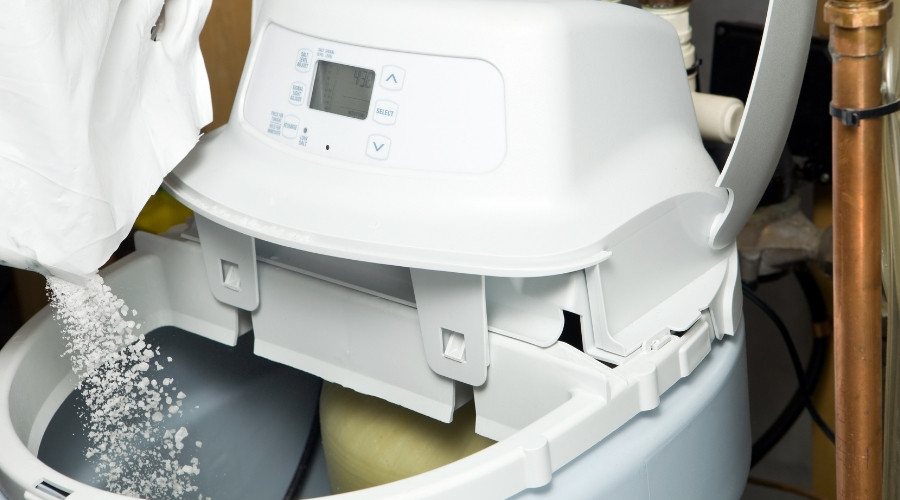
A water softener removes hardness minerals through a process called ion exchange. Hard water passes through a resin tank where calcium and magnesium ions are replaced with sodium or potassium ions. This process softens the water and prevents future mineral buildup in the plumbing system.

The system regenerates periodically by flushing the resin with a salt solution, restoring its softening capacity. This self-cleaning cycle ensures ongoing performance without manual intervention. Continuous softening helps maintain the efficiency of appliances and the cleanliness of fixtures.

Water softeners are installed at the point where water enters the home to treat the entire water supply. By addressing hardness at the source, the system protects every fixture and appliance. Consistent soft water improves comfort and supports better performance from plumbing and water-using equipment.

Benefits of Whole Home Water Softeners

save money Installing a water softener helps reduce the wear and tear on plumbing fixtures and household appliances. Scale buildup no longer accumulates inside pipes, helping to maintain proper water pressure and system performance. Daily cleaning tasks also become easier with fewer mineral stains to remove.

Laundry retains its color and softness longer because softened water allows detergents to rinse more effectively. Hair and skin feel more hydrated due to the absence of mineral residue. Cleaner dishes and spot-free glassware are common results of softened water.

Extended appliance life and improved energy efficiency also contribute to long-term savings. Water heaters and dishwashers operate more efficiently without scale buildup interfering with heat transfer. A water softener installation offers both immediate improvements and long-term benefits for the entire plumbing system.

Call About Plumbing Inc.

About Plumbing Inc. is a reliable plumbing solutions company serving Jefferson County, MO, and the surrounding areas. They offer straightforward pricing, trustworthy technicians, and 100% satisfaction guaranteed. Call them for water softener services in Jefferson County, MO.

Distribution Links +

Choosing Between an Electric or Gas Water Heater

Pros and Cons of Different Water Heaters

Selecting a water heater requires careful consideration of operating costs, installation requirements, and energy efficiency. Each type of system provides distinct benefits depending on the existing home infrastructure and local utility rates. Weighing these factors helps clarify the best long-term investment for a consistent hot water supply. A well-informed choice ensures comfort, reliability, and cost-effectiveness over time.

Gas Water Heater

water heater Gas water heaters provide lower operating costs than electric models. According to the U.S. Energy Information Administration, natural gas costs significantly less per BTU compared to electricity. This price difference often results in substantial savings over the lifespan of the unit. In addition to cost efficiency, gas systems heat water more quickly, with most units completing a full tank cycle within 30 to 40 minutes.

Safety considerations accompany gas installation due to the risk of gas leaks and carbon monoxide exposure. Proper venting systems must be installed to remove combustion gases safely. Homes without an existing gas line may face higher upfront costs to accommodate this infrastructure. Despite these installation expenses, lower monthly utility bills often offset the initial investment within a few years.

Electric Water Heater

water heater Electric water heaters present a cost-effective installation option with fewer structural requirements. Most units can be installed without venting or gas line modifications, reducing project costs by $500 to $1,500 compared to gas systems. Electric models also avoid combustion risks, making them a safer alternative in many households.

However, ongoing energy expenses are generally higher for electric systems due to elevated electricity rates. Based on data from the U.S. Department of Energy, electric heating typically costs two to three times more per BTU than natural gas. In regions prone to power outages, electric units stop functioning completely until service is restored. By contrast, gas units with pilot lights can continue operating during electrical disruptions.

Factors to Consider Before Installation

Several key factors influence the ideal choice between gas and electric water heating. Local utility reliability, existing infrastructure, and safety concerns play major roles in determining system suitability. For homes in areas with frequent electrical outages, gas models may provide greater resilience and uninterrupted service.

Electric water heaters reduce potential exposure to combustion-related hazards. These systems eliminate risks from gas leaks and carbon monoxide and require less maintenance for safe operation. For structures without gas access, installation of a gas line adds substantial cost and complexity. Conversely, electric models rely only on the home’s electrical capacity and can be installed with minimal disruption.

Existing utilities heavily impact project feasibility and cost. Properties with pre-installed gas lines may benefit from the long-term savings of a gas system. In contrast, homes without gas infrastructure often find electric systems more accessible and safer to maintain over time.

Call About Plumbing Inc.

About Plumbing Inc. is a trusted plumbing company serving Jefferson County, MO, and the surrounding areas. They offer straightforward pricing, trustworthy technicians, and a 100% satisfaction guarantee. Call them for water heater repairs in Jefferson County, MO.

Distribution Links +

Simple Ways to Identify a Water Leak

Signs of Water Leaks

Early water leak detection is essential for protecting the property and saving money. Identifying a water leak as soon as possible can prevent major water damage, structural problems, and high utility costs. Fortunately, there are several clear warning signs that homeowners can look for to catch leaks fast and call in professional leak repair help before the situation gets worse.

High Water Bills

If there’s a noticeable increase in the monthly water bill and the household water usage has not changed, this is a strong clue that a hidden leak could be to blame. Leaks in toilets, faucets, underground pipes, or even behind walls can silently waste water.

Addressing water leaks promptly not only reduces the water bill but also helps prevent expensive water damage to the home’s structure, floors, and personal belongings. Quick water leak repair prevents further hidden damage and keeps costs manageable.

Checking the water meter and inspecting the home regularly will help catch a leak early, ensuring the need for leak repair doesn’t go unnoticed. If you see your water bill rising without explanation, it’s time to investigate the possibility of a water leak and consider professional water leak detection and repair.

Other Signs of a Leak

shower head Besides a high water bill, several other indicators may point to a hidden water leak in the home. Paying attention to the following signs increases the chances of stopping water damage in its tracks:
  • Low Water Pressure: When a leak exists in the plumbing system, water is escaping somewhere it shouldn’t—often resulting in decreased water pressure from faucets, showers, and other fixtures. If the pressure drops suddenly or is consistently low, it could signal a water leak.
  • Running Water Sounds: If the hear water running even when all the plumbing fixtures and appliances are turned off, there might be a leak inside the walls, foundation, or floors. Unexplained sounds are a red flag for immediate investigation.
  • Mold, Mildew, or Musty Odors: Damp areas caused by leaks create the perfect breeding ground for mold and mildew. If there's a persistent musty smell in the home, or visible growth, it’s a sign moisture is present where it shouldn’t be—often due to a hard-to-spot water leak.
  • Water Stains or Damage: Stained, bubbled, or warped walls, floors, or ceilings typically mean that water is pooling behind the surfaces. Over time, leaks will result in visible water damage, discoloration, peeling paint, or warped floorboards.
  • Wet Spots or Puddles: Unexplained wet spots, pooling water, or puddles around the base of toilets, cabinets, appliances, or in the yard can point directly to a water leak in the plumbing or supply lines.

Spotting these common indicators early is crucial for leak detection. Taking swift action with professional leak repair reduces the chance of extensive water damage and mold issues.

Use the Water Meter

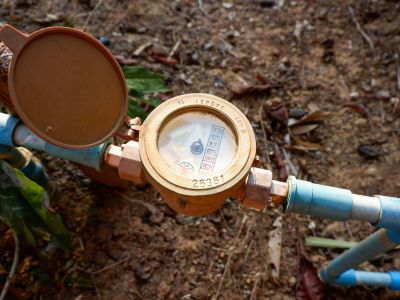
water meter In addition to monitoring bills and inspecting for obvious signs, homeowners can utilize their water meter for accurate water leak detection. This simple process can confirm whether or not a leak is present:

  • Turn Off All Water Fixtures: Ensure that all faucets, appliances, sprinklers, and other water-using devices in the home are completely shut off. Even small drips can affect the test.
  • Locate and Check the Water Meter: The water meter is usually found near the street or curb in a covered box. Open it and observe the leak indicator (often a small dial or triangle). If the indicator is moving when no water is being used, there might be a water leak.
  • Take a Meter Reading: Record the numbers on the water meter and ensure no one uses any water for at least two hours. After that period, check the meter again. If the reading has changed, a leak is present somewhere in the plumbing system.
  • Next Steps if Homeowners Suspect a Leak: If the water meter confirms water loss or if homeowners suspect a leak due to any previously mentioned signs, call a plumbing professional for thorough leak detection and water leak repair right away.

Using the water meter for leak detection is one of the most reliable ways to verify if there’s a hidden plumbing issue. Acting quickly ensures the leak is repaired before causing severe water damage or unnecessary expenses.

About About Plumbing Inc.

About Plumbing Inc. has over 20 years of experience in the plumbing field. They are always up to date with the latest technology and techniques in the industry. Call now for expert leak detection and water leak repair in Barnhart, MO