
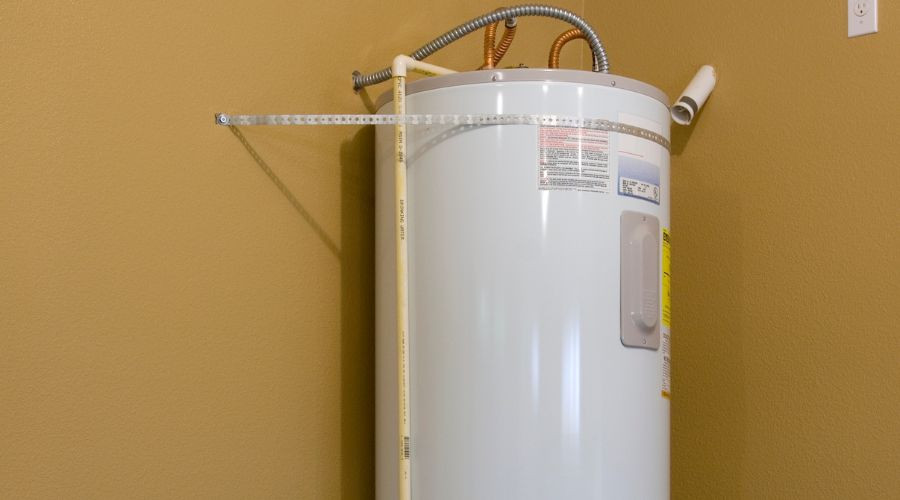
What Is Done During Water Heater Maintenance and Its Benefits
A water heater is one of those household appliances that's easy to forget about—until faced with an ice-cold shower or a costly emergency replacement. While it quietly works behind the scenes to provide hot water for daily needs, neglecting maintenance can lead to inefficient performance, higher energy bills, and even complete system failure. Just like any major appliance, a water heater requires regular attention to function at its best and reach its expected lifespan of 8-12 years. This guide explains why water heater maintenance matters and shares simple steps to protect the investment and ensure reliable hot water for years to come.
Essential Maintenance Tasks
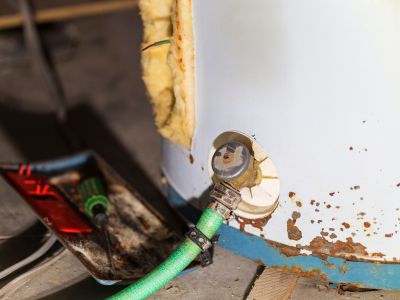 The maintenance of a water heater needs to be done regularly, as it impacts the efficiency, longevity, and safety of the unit. Draining and flushing the tank to remove sediment buildup is the most fundamental maintenance procedure, as minerals naturally settle at the bottom of the water supply. This sediment layer can significantly reduce heating efficiency, cause unusual noises, and eventually lead to tank deterioration if left unchecked. The process involves connecting a garden hose to the drain valve, safely releasing the hot water, and thoroughly flushing the tank until the water runs clear.
Inspecting and replacing the anode rod is also another crucial maintenance, which is often times referred to as a “sacrificial rod.” It prevents tank corrosion by attracting corrosive elements to itself instead of the tank walls. When the anode rod is deteriorating, it may leave the tank vulnerable to rust and eventual failure.
To prevent dangerous pressure buildup within the tank, testing the temperature and pressure relief (T&P) valve is a must. Lifting and lowering the test lever ensures the valve moves freely and properly releases water, and should be done annually. If any of these components show signs of wear or malfunction, immediate replacement is necessary to maintain the water heater's safe and efficient operation.
Benefits of Water Heater Maintenance
 Regular maintenance of the water heater is advised to improve overall performance and cost-effectiveness. Removing scale buildup and sediment can boost energy efficiency if maintenance is done regularly. It allows the unit to heat water more effectively while consuming 15% less energy. Additionally, regular maintenance helps extend the water heater’s lifespan by preventing corrosion and identifying potential issues before they develop into major problems.
The financial benefits of consistent maintenance go beyond reduced energy costs. By investing in regular upkeep, costly emergency repairs and premature replacements can be avoided. A properly maintained water heater can last 2-3 years longer than a neglected one, leading to significant long-term savings. Routine maintenance also ensures consistent hot water delivery, better temperature control, and a lower risk of system failure, offering peace of mind and reliable performance when needed most. These advantages make water heater maintenance not just a recommendation, but an essential part of home care that pays for itself over time.
How Often Should Maintenance Be Done?
For optimal performance and longevity, industry experts recommend regular maintenance and professional inspection at least once a year. This includes a comprehensive inspection of all components, including the anode rod, pressure relief valve, and heating elements, along with a thorough flushing of the tank to remove sediment buildup. If hard water or high mineral content is detected, a maintenance interval of six months is advised to prevent accelerated wear and efficiency loss.
Extending the time between maintenance visits will only mean reduced efficiency, higher energy costs, and potentially costly repairs or premature system failure. A qualified technician should be able to perform the necessary cleaning and adjustments to maintain the unit's performance, ensure all safety mechanisms are functioning properly, and identify early warning signs of potential issues. This proactive approach not only extends the life of the water heater but also helps maintain its energy efficiency, ultimately saving money on both utility bills and potential emergency repairs.
Call About Plumbing Inc.
About Plumbing is a reliable plumbing service provider in Barnhart, MO, and beyond. They offer straightforward pricing, affordable solutions, and the latest technology. Call them for plumbing services in the Jefferson County area.
)
Distribution Links +
- https://smb.bogalusadailynews.com
- https://smb.magnoliastatelive.com
- https://smb.natchezdemocrat.com
- https://smb.orangeleader.com
- https://smb.panews.com
- https://smb.picayuneitem.com
- https://smb.alabamanow.com
- https://smb.albertleatribune.com
- https://smb.andalusiastarnews.com
- https://smb.lobservateur.com
- https://smb.panolian.com
- https://smb.alexcityoutlook.com
- https://smb.americustimesrecorder.com
- https://smb.atmoreadvance.com
- https://smb.amnews.com
- https://smb.austindailyherald.com
- https://smb.americanpress.com
- https://smb.dailyleader.com
- https://smb.oxfordeagle.com
- https://smb.vicksburgpost.com
- https://smb.bluegrasslive.com
- https://smb.claiborneprogress.net
- https://smb.clantonadvertiser.com
- https://smb.brewtonstandard.com
- https://smb.demopolistimes.com
- https://smb.elizabethton.com
- https://smb.greenvilleadvocate.com
- https://smb.jessaminejournal.com
- https://smb.kenbridgevictoriadispatch.com
- https://smb.leaderpub.com
- https://smb.luvernejournal.com
- https://smb.selmatimesjournal.com
- https://smb.thesnaponline.com
- https://smb.troymessenger.com
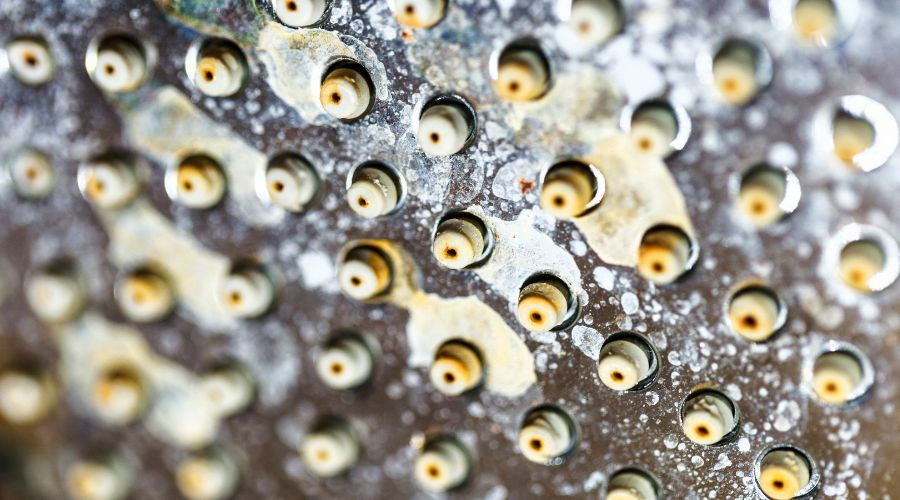
 Many homeowners struggle with the problems caused by hard water without realizing that the mineral content of their water is to blame.
  A
A )
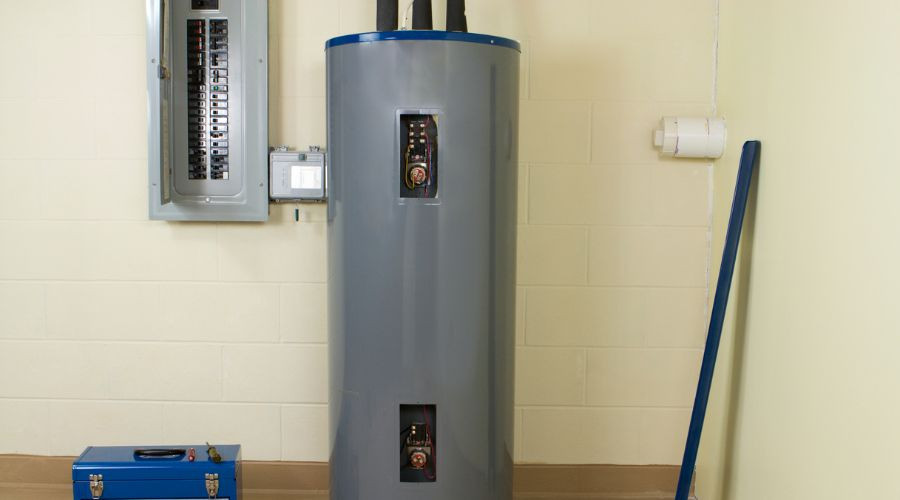
 Heating and cooling a home make up the biggest portions of the monthly energy expenditures. However, heating water is a close second. Water takes a lot of energy to heat to usable temperatures, and water heaters are designed to do this as efficiently as possible. However, there are times when a water heater will cause bills to go up simply because it needs repairs. Owners should take the time to monitor their bills every month to look for spikes that may indicate a need for water heater repairs.
  Hearing strange sounds from the water may be difficult since the water heater is usually in a place that is not consistently occupied. However, the sounds a water heater makes are great indicators of its operational status.
 )
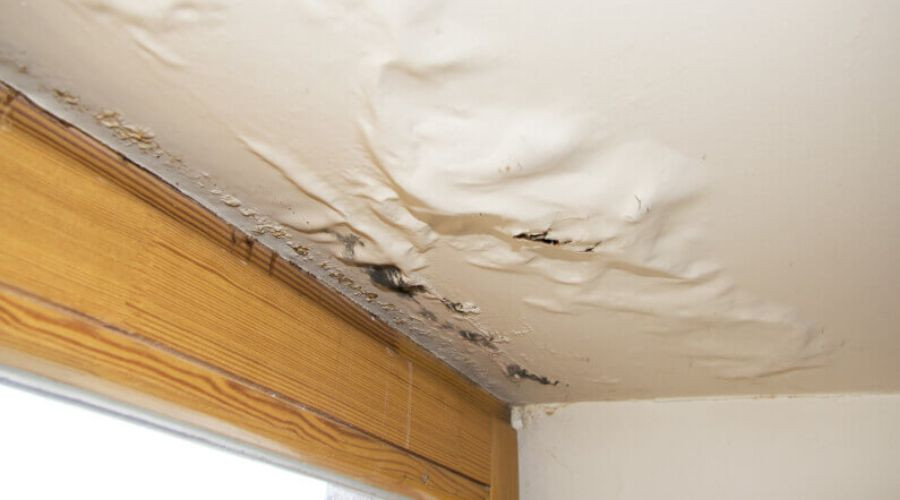
 Homeowners are responsible for paying for lost water and repairing leaks at any point after the water meter, which can lead to high water bills and headaches. Water leaks can occur at any point in the system, so many can stay hidden for quite a while. The best way to spot leaks like this is to monitor the water bill.
  When plumbers are called to look for a plumbing leak, they often use the water meter to verify the presence of a leak. Luckily for homeowners, this test is easy and can be used by anyone anytime they suspect a water leak.
 )
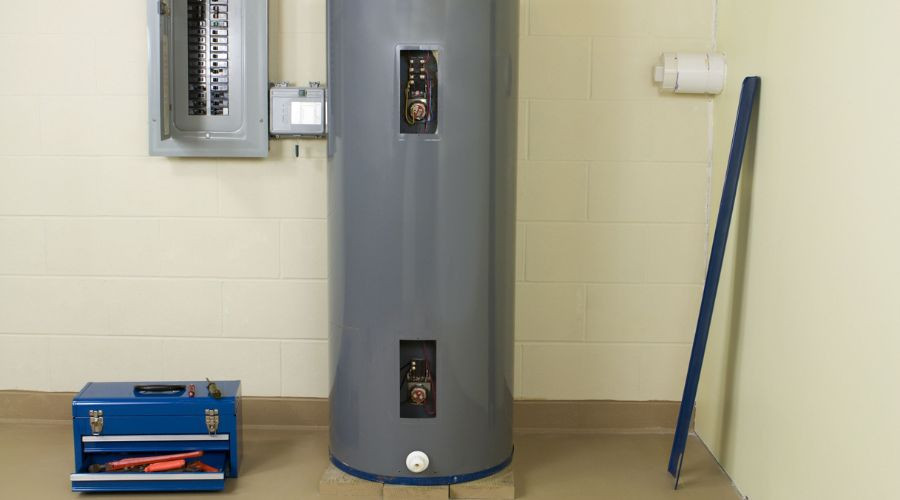
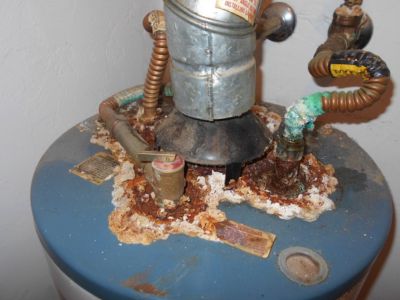 Corrosion is a real concern in
 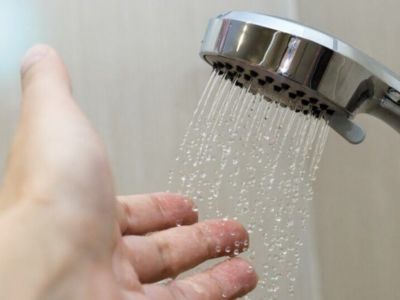 It's like that one hotel on the side of the highway where no matter how far to the "H" the shower knob was pushed, the water stayed lukewarm or just frigid. Sometimes, even water heaters in the home cannot perform the jobs they once were relied on to do - like the hot shower at the end of a long work day. If a water heater is no longer heating water effectively and there are lots of cold and lukewarm showers in the house, or if the shower starts hot but gets cold very quickly, it could be a sign that the unit is getting tired and may need to be retired and replaced.
 )
