
Signs of Hard Water and Water Softeners Explained
Hard water can affect plumbing systems, appliances, and daily tasks throughout the home. The presence of minerals like calcium and magnesium in the water supply often leads to visible and physical signs that signal the need for a water softener. Understanding how water softeners work and the benefits they offer can help improve water quality and extend the lifespan of appliances and fixtures.
Signs Indicating Hard Water
 Dry hair and itchy skin often occur due to frequent exposure to hard water during bathing. Spotted dishes after washing and faded laundry are common signs of mineral deposits left behind after rinsing. Stains on fixtures and scale buildup in pipes can reduce water pressure and eventually cause clogs.
Mineral deposits form a white, chalky layer on faucets, showerheads, and other plumbing fixtures. This buildup can cause damage over time and reduce the efficiency of water-using appliances. Regular signs like these indicate that a water softener installation may be necessary.
Hard water can also impact the function of water heaters, dishwashers, and washing machines. Excessive mineral content leads to internal scale formation, which forces appliances to work harder. The consistent presence of these issues shows the long-term effects of hard water in the home.
How Does a Water Softener Work?
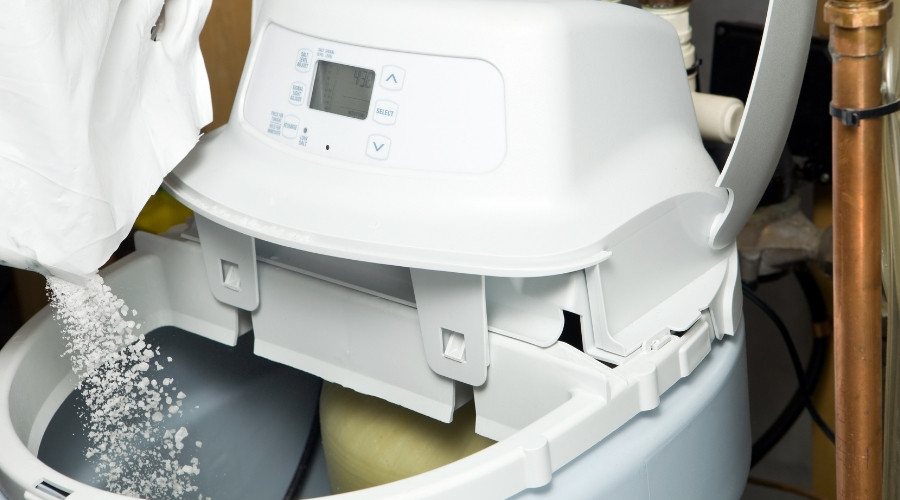
A water softener removes hardness minerals through a process called ion exchange. Hard water passes through a resin tank where calcium and magnesium ions are replaced with sodium or potassium ions. This process softens the water and prevents future mineral buildup in the plumbing system.
The system regenerates periodically by flushing the resin with a salt solution, restoring its softening capacity. This self-cleaning cycle ensures ongoing performance without manual intervention. Continuous softening helps maintain the efficiency of appliances and the cleanliness of fixtures.
Water softeners are installed at the point where water enters the home to treat the entire water supply. By addressing hardness at the source, the system protects every fixture and appliance. Consistent soft water improves comfort and supports better performance from plumbing and water-using equipment.
Benefits of Whole Home Water Softeners
 Installing a water softener helps reduce the wear and tear on plumbing fixtures and household appliances. Scale buildup no longer accumulates inside pipes, helping to maintain proper water pressure and system performance. Daily cleaning tasks also become easier with fewer mineral stains to remove.
Laundry retains its color and softness longer because softened water allows detergents to rinse more effectively. Hair and skin feel more hydrated due to the absence of mineral residue. Cleaner dishes and spot-free glassware are common results of softened water.
Extended appliance life and improved energy efficiency also contribute to long-term savings. Water heaters and dishwashers operate more efficiently without scale buildup interfering with heat transfer. A water softener installation offers both immediate improvements and long-term benefits for the entire plumbing system.
Call About Plumbing Inc.
About Plumbing Inc. is a reliable plumbing solutions company serving Jefferson County, MO, and the surrounding areas. They offer straightforward pricing, trustworthy technicians, and 100% satisfaction guaranteed. Call them for water softener services in Jefferson County, MO.
)
