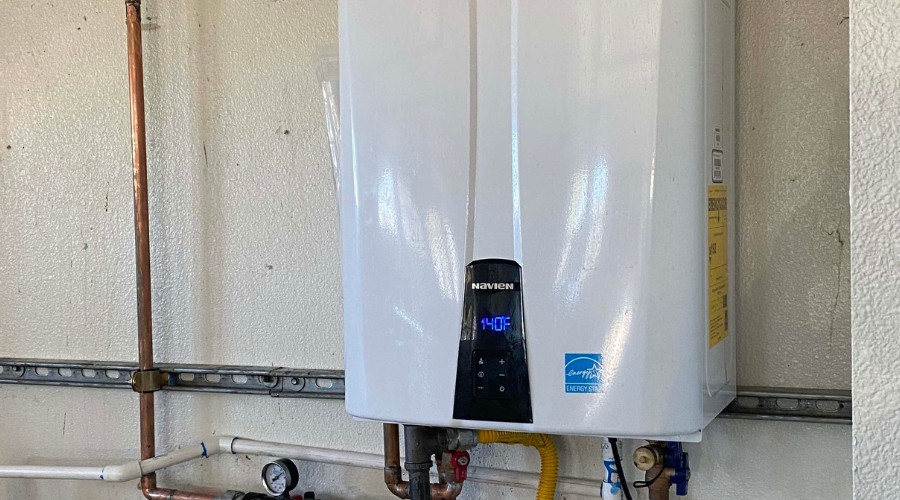
Tankless water heater mounted on wall with digital display showing 140°F, copper and PVC plumbing connections, highlighting energy-efficient water heating technology.

Key Benefits of Installing a Tankless Water Heater

Why Go Tankless?

Tankless water heaters continue to gain attention across residential and light commercial plumbing projects. Many plumbing contractors recommend this system due to efficiency, performance, and long-term value. A shift toward tankless technology supports modern water heating needs without unnecessary waste.

Energy Efficiency

save money Tankless water heaters heat water only when hot water demand occurs, rather than maintaining a constant supply in a storage tank. This process reduces standby heat loss, which is commonly experienced in traditional storage water heaters. Lower energy usage often results in reduced utility expenses and improved efficiency ratings.

Energy-efficient water heating remains a priority within the plumbing industry. Tankless systems use advanced heating elements or gas burners designed for precise temperature control. Consistent performance supports energy savings across daily water usage.

Modern plumbing contractors frequently highlight efficiency as a key advantage during water heater consultations. Reduced energy consumption aligns with current building standards and sustainability goals. Long-term operating savings add value to professional tankless water heater installation.

Endless Hot Water Supply and Space Savings

shower head Tankless water heaters deliver hot water on demand, rather than storing a limited supply in a tank. This design eliminates concerns related to running out of hot water during peak usage. Continuous hot water supports busy households and commercial settings.

On-demand operation ensures consistent water temperature during extended use. Multiple fixtures can receive hot water without delay when systems are properly sized. Reliable performance remains a major reason for choosing tankless water heater installation.

Tankless models feature compact designs without bulky storage tanks. Smaller units allow flexible installation options and free up valuable storage space. Space savings contribute to improved utility room organization and layout efficiency.

Longer Life Expectancy

Tankless water heaters often exceed a lifespan of 20 years with proper maintenance. Traditional storage water heaters generally require replacement after 10 to 15 years. An extended lifespan reduces replacement frequency and long-term equipment costs.

Durable components and replaceable parts contribute to increased longevity. Professional installation and routine service help maintain consistent operation. Reduced wear from constant heating also supports extended system life.

Plumbing contractors frequently recommend tankless systems for long-term investment value. Fewer replacements mean lower lifetime ownership costs. Reliable performance over decades adds confidence to the installation decision. Professional tankless water heater installation and repair services ensure proper system sizing, safe operation, and optimal performance. 

Contact About Plumbing Inc.

About Plumbing Inc. is a trusted plumbing company serving Jefferson County, MO, and beyond. They offer the latest technology, affordable and effective solutions, and friendly and professional service. Call them for tankless water heater installation and repair services in Jefferson County, MO.

Plumber using gas leak detection tool on pipes, emphasizing safety and prompt identification of gas leaks.

Signs of a Gas Leak That Indicate Gas Leak Detection and Repair Is Needed

Stay Safe From Dangerous Gas Leaks by Identifying Them Quickly

Gas leaks create hazardous conditions, making rapid identification essential. Early detection enables prompt gas leak repair, helping create safer environments and reducing the risk of long-term property damage. Awareness of common indicators strengthens overall household safety.

Strange Smells or Sounds

bad smell A gas leak often produces a sulfur or rotten egg smell that signals a serious issue within a gas line system. This odor originates from additives designed to alert surrounding occupants. Prompt recognition of this smell promotes faster safety responses.

Unusual hissing or whistling sounds frequently arise when pressurized gas escapes from damaged components. Such noises usually come from joints, valves, or appliance connections within a distribution system. Recognizing these auditory clues provides valuable insight into hidden problems.

A combination of strange odors and noises strengthens the likelihood of an active leak within any gas supply network. Once signs of a gas leak are noticed, professional detection enables faster corrective action and a safer home.

Higher Gas Bill

bills A monthly gas bill that rises unexpectedly often reflects wasted fuel within a malfunctioning system. Unexplained increases signal potential leakage within supply lines or connected appliances. Careful review of billing statements helps uncover irregular consumption patterns.

Stable household usage paired with elevated costs suggests hidden release points in need of immediate attention. Gas escaping from deteriorated components forces utility meters to register inflated consumption. Noticing these billing trends encourages faster evaluation of system integrity.

Monitoring utility expenses creates a dependable method for identifying mechanical issues within any gas network. Financial records act as practical diagnostic tools for early problem detection. Consistent oversight strengthens both safety practices and energy management.

Physical Symptoms

A gas leak can trigger noticeable health changes among residents and household animals. Exposure often leads to irritation or discomfort as harmful gas concentrations accumulate within enclosed spaces. Awareness of unusual physical reactions contributes to safer living conditions.

Common health effects of a gas leak among residents include eye irritation, throat discomfort, nausea, dizziness, headaches, fatigue, and breathing difficulties. These symptoms intensify as exposure continues within affected environments. Recognizing these reactions encourages timely evacuation and professional assistance.

Household animals may experience loss of appetite, vomiting, fatigue, or breathing challenges when exposed to leaking gas. Such symptoms mirror the harmful effects created by deteriorating gas infrastructure. Attentive observation of animal behavior offers another valuable clue for early leak detection.

Call About Plumbing Inc.

About Plumbing Inc. is a reliable plumbing solutions provider serving Jefferson County, MO, and beyond. They offer straightforward pricing, trustworthy technicians, and 100% satisfaction guaranteed. Call them for gas leak detection and repair services in Jefferson County, MO.

Garbage disposal unit installed under kitchen sink, showcasing plumbing connections and maintenance features relevant to proper disposal care.

Keep the Garbage Disposal Running Smoothly With These Simple Tips

How to Care for the Garbage Disposal and Prevent Clogs

Good garbage disposal care keeps kitchen plumbing strong and prevents clogs. Simple habits protect grinding blades and keep the unit running safely. Regular attention also builds long-term disposal performance.

Be Careful What Goes Down the Disposal

food Grease, fats, and oils create sticky buildup inside garbage disposal systems. Eggshells, potato peels, rice, pasta, and coffee grounds block the grinding parts, slowing the water flow. Safe waste includes soft scraps that break apart easily during processing.

Large chunks of food create jams inside the disposal chamber. Hard objects damage blades and weaken motor power. Gentle feeding of proper scraps keeps the system clear.

Starchy or gummy foods swell inside plumbing pipes. Dense materials cling to disposal walls and form clogs. Light, soft materials travel through drains with greater ease.

Use Cold Water and Ice

sinkCold water keeps food bits firm, allowing blades to cut more easily. Cool temperatures also stop grease from melting inside pipes. Clean flow protects the garbage disposal from sticky messes.

Cold water after each use washes loose scraps through the kitchen plumbing. Rinsing supports open drain lines and steady system movement. Strong flow encourages healthy disposal function.

Ice cubes help scrape food bits off the blades and the inner chamber. Grinding ice removes lingering debris from tight spaces. Clean surfaces support smoother disposal operations, so proper cleaning of garbage disposals is vital for system longevity.

Avoid Putting Too Much Down the Disposal at Once

Small pieces move through grinding blades with less stress on the motor. Steady feeding keeps the disposal from overloading. Controlled amounts allow proper grinding and clear drainage.
Large scraps cause jams inside the disposal chamber. Thick pieces slow down the grinding process. Smaller pieces improve safety and performance.

Gradual feeding helps maintain a balanced operation. Slow pacing gives blades enough time to process each piece. Safe handling promotes long-lasting garbage disposal health.

Call About Plumbing Inc.

About Plumbing Inc. is a reliable plumbing solutions company serving Jefferson County, MO, and beyond. The company offers straightforward pricing, trustworthy technicians, and 100% satisfaction guaranteed. Call for kitchen plumbing repair and garbage disposal installation services in Jefferson County, MO.

Frozen copper pipe with ice buildup and water leaking, illustrating plumbing issues caused by cold temperatures.

Tips to Protect the Plumbing During Cold Temperatures

Protect the Plumbing From the Cold This Fall and Winter

Cold weather can cause serious damage to plumbing systems if preventive measures are not taken early. Proper preparation can help minimize the risk of frozen or burst pipes, saving money and avoiding unexpected repairs. Taking a few key steps before the temperature drops can ensure reliable water flow and efficient operation all season long.

Insulate the Pipes

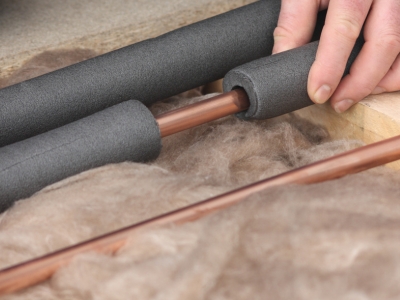
pipes Pipe insulation helps protect exposed plumbing from freezing conditions. Adding insulation in attics, crawl spaces, unfinished basements, and garages can reduce the risk of frozen pipes. Foam sleeves or fiberglass insulation work effectively to keep pipes warm and maintain a consistent water temperature.

Preventing heat loss through insulation also improves energy efficiency in the home. Less heat escapes from surrounding areas, allowing the plumbing system to stay within a safe temperature range. This simple addition can extend the lifespan of the plumbing and reduce maintenance costs.

Professional plumbers recommend checking insulation annually, especially before winter begins. Areas where insulation looks worn or missing should be replaced immediately. Properly insulated pipes offer peace of mind during the coldest days of the season.

Keep the Heat on and Open Cabinets

sink Maintaining a consistent indoor temperature can protect plumbing from freezing. Keeping the thermostat set to a stable temperature prevents pipes from dropping to critical temperatures. Even when no one is home, a steady temperature helps maintain stable water flow through the interior plumbing.

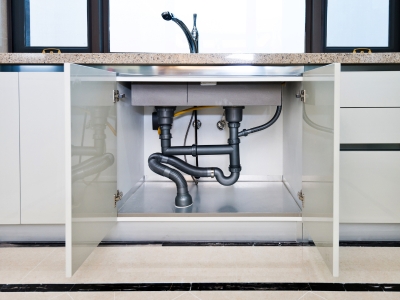
Cabinets under sinks often hide pipes that can become cold quickly. Opening these cabinets allows warm air to circulate around the plumbing and reduces the risk of freezing. This is especially useful for sinks located near exterior walls.

Heat circulation works best when air vents remain unobstructed and doors between rooms stay open. Balanced airflow ensures that all areas of the home receive enough warmth to safeguard the plumbing system. Regular monitoring during cold spells helps detect any potential freezing concerns early.

Winterize Outdoor Faucets

Outdoor faucets are highly vulnerable to freezing temperatures. Disconnecting garden hoses and draining them completely can prevent trapped water from freezing and expanding. Shutting off the outdoor water supply and draining the outdoor faucet line adds another layer of protection.

Once drained, keeping the faucet open allows any remaining moisture to escape. This prevents pressure buildup within the pipe, which could cause cracks or bursts. A faucet cover or insulation cap provides additional defense against cold air infiltration.

Properly winterizing outdoor faucets eliminates a major source of potential damage. Regular inspection throughout the winter ensures these precautions remain effective. Taking time to protect outdoor plumbing helps maintain the entire system’s integrity through the cold months.

Call About Plumbing Inc.

About Plumbing Inc. is a reliable plumbing solutions provider serving Jefferson County, MO, and beyond. They offer straightforward pricing, trustworthy technicians, and 100% satisfaction guaranteed. Call them for plumbing services in Jefferson County, MO.

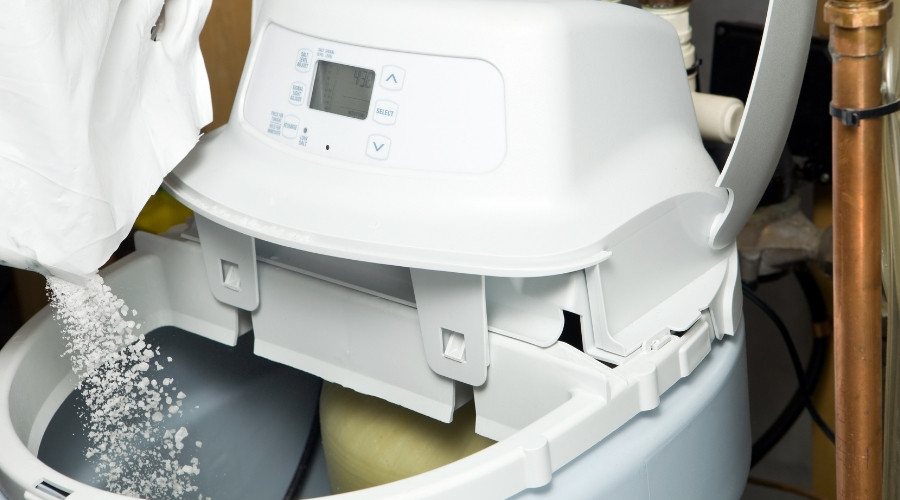
Water softener installation process, with salt being added to the unit, highlighting its role in improving water quality and addressing hard water issues.

Is a Water Softener Installation Necessary for the Home?

Signs of Hard Water and Water Softeners Explained

Hard water can affect plumbing systems, appliances, and daily tasks throughout the home. The presence of minerals like calcium and magnesium in the water supply often leads to visible and physical signs that signal the need for a water softener. Understanding how water softeners work and the benefits they offer can help improve water quality and extend the lifespan of appliances and fixtures.

Signs Indicating Hard Water

dry hair Dry hair and itchy skin often occur due to frequent exposure to hard water during bathing. Spotted dishes after washing and faded laundry are common signs of mineral deposits left behind after rinsing. Stains on fixtures and scale buildup in pipes can reduce water pressure and eventually cause clogs.

Mineral deposits form a white, chalky layer on faucets, showerheads, and other plumbing fixtures. This buildup can cause damage over time and reduce the efficiency of water-using appliances. Regular signs like these indicate that a water softener installation may be necessary.

Hard water can also impact the function of water heaters, dishwashers, and washing machines. Excessive mineral content leads to internal scale formation, which forces appliances to work harder. The consistent presence of these issues shows the long-term effects of hard water in the home.

How Does a Water Softener Work?

A water softener removes hardness minerals through a process called ion exchange. Hard water passes through a resin tank where calcium and magnesium ions are replaced with sodium or potassium ions. This process softens the water and prevents future mineral buildup in the plumbing system.

The system regenerates periodically by flushing the resin with a salt solution, restoring its softening capacity. This self-cleaning cycle ensures ongoing performance without manual intervention. Continuous softening helps maintain the efficiency of appliances and the cleanliness of fixtures.

Water softeners are installed at the point where water enters the home to treat the entire water supply. By addressing hardness at the source, the system protects every fixture and appliance. Consistent soft water improves comfort and supports better performance from plumbing and water-using equipment.

Benefits of Whole Home Water Softeners

save money Installing a water softener helps reduce the wear and tear on plumbing fixtures and household appliances. Scale buildup no longer accumulates inside pipes, helping to maintain proper water pressure and system performance. Daily cleaning tasks also become easier with fewer mineral stains to remove.

Laundry retains its color and softness longer because softened water allows detergents to rinse more effectively. Hair and skin feel more hydrated due to the absence of mineral residue. Cleaner dishes and spot-free glassware are common results of softened water.

Extended appliance life and improved energy efficiency also contribute to long-term savings. Water heaters and dishwashers operate more efficiently without scale buildup interfering with heat transfer. A water softener installation offers both immediate improvements and long-term benefits for the entire plumbing system.

Call About Plumbing Inc.

About Plumbing Inc. is a reliable plumbing solutions company serving Jefferson County, MO, and the surrounding areas. They offer straightforward pricing, trustworthy technicians, and 100% satisfaction guaranteed. Call them for water softener services in Jefferson County, MO.