
Sump Pumps Protect Homes Against Flooding and Water Damage
A properly functioning sump pump serves as the first line of defense against basement flooding and costly water damage. These spring-ready devices come in handy when unpredictable rains cause floods in the area.
The stress and expense of surprise water damage can be avoided with proper maintenance. This post delivers expert maintenance tips and flood prevention strategies to keep basements safe and dry. Powerful, easy-to-follow steps ensure peace of mind and a secure home. Let’s explore how to make sure the system is ready for even the wildest weather.
How Do Sump Pumps Work?
 Sump pumps serve as the first line of defense against basement flooding during spring thaws and heavy rainfall. These crucial basement drainage systems automatically activate when water levels rise, preventing costly water damage and mold growth. They operate on a surprisingly simple mechanism that can save homeowners thousands in potential repair costs.
The heart of a sump pump system is the basin (or sump pit) installed at the lowest point of the basement. Water naturally flows into this collection point through drain tiles or natural ground movement. When water in the pit reaches a predetermined level, the float switch triggers the pump motor to start working. This activation happens automatically. The pump then forces water through a discharge pipe that directs it safely away from the foundation, typically into a storm drain or designated drainage area.
Most residential properties utilize one of two main pump types: submersible or pedestal models. Submersible pumps sit entirely underwater in the sump basin, operating quietly while handling larger debris. Pedestal pumps position the motor above the pit to prevent electrical components from contacting water. The American Society of Home Inspectors reports that properly maintained sump pumps typically last 7-10 years before requiring replacement, making them a worthwhile investment for protecting property.
How to Make Sure a Sump Pump Is Working Correctly
 Testing the sump pump regularly ensures readiness to prevent basement flooding when spring rains arrive. Sump pump functionality should be checked at least twice a year, with early spring being the most critical time. The process is straightforward. Pour a few gallons of water into the sump pit and observe.
A properly functioning pump should activate automatically when water reaches the float trigger level. Unusual noises, such as grinding, rattling, or humming sounds, could indicate mechanical problems. These signs should not be ignored. After activation, the pump should quickly remove the water and shut off automatically once the pit is emptied. This simple test takes just minutes but provides valuable peace of mind.
While DIY testing helps identify obvious issues, professional basement waterproofing experts recommend annual maintenance inspections for complete pump system reliability. Professionals can clean accumulated debris from the discharge pipe and check critical components that might be missed. The American Society of Home Inspectors states that nearly 60% of sump pump failures result from improper maintenance rather than equipment age. During professional servicing, technicians will examine the backup power system, verify proper electrical connections, and ensure the check valve functions correctly. Regular maintenance significantly extends the pump's operational lifespan. A small investment in professional inspection can prevent costly water damage repairs later.
Why a Sump Pump Backup May Be Needed
Spring flooding can quickly overwhelm the primary sump pump, leaving the basement vulnerable to water damage. Installing a secondary or backup sump pump provides crucial protection during heavy rainfall when the main system might fail. Water can rise rapidly. Many homeowners discover too late that relying on a single pump is risky, especially during severe weather events when power outages and pump failures are most likely to occur simultaneously.
A battery-powered backup sump pump continues working even when electricity goes out. According to the American Society of Home Inspectors, nearly 60% of American homes experience below-ground wetness or flooding, with more than 90% of basement damage caused by failed sump pumps or power outages. Basements can accumulate several inches of water within hours when the primary pump stops working.
Water-powered backup systems offer another reliable alternative that doesn't depend on electricity or batteries. These secondary pumps activate automatically when the primary pump fails, providing continuous protection against basement flooding. They operate using municipal water pressure. The peace of mind from having redundant flood protection systems far outweighs the initial investment, especially when considering that basement flooding repairs typically cost between $3,000-$10,000, according to insurance industry data.
Call About Plumbing Inc.
About Plumbing Inc. is a reliable plumbing contractor serving Jefferson County, MO, and beyond. They offer straightforward pricing and satisfaction guaranteed. Call them for sump pump services in Barnhart, MO.
)
Distribution Links +
- https://smb.bogalusadailynews.com
- https://smb.magnoliastatelive.com
- https://smb.natchezdemocrat.com
- https://smb.orangeleader.com
- https://smb.panews.com
- https://smb.picayuneitem.com
- https://smb.alabamanow.com
- https://smb.albertleatribune.com
- https://smb.andalusiastarnews.com
- https://smb.lobservateur.com
- https://smb.panolian.com
- https://smb.alexcityoutlook.com
- https://smb.americustimesrecorder.com
- https://smb.atmoreadvance.com
- https://smb.amnews.com
- https://smb.austindailyherald.com
- https://smb.americanpress.com
- https://smb.dailyleader.com
- https://smb.oxfordeagle.com
- https://smb.vicksburgpost.com
- https://smb.bluegrasslive.com
- https://smb.claiborneprogress.net
- https://smb.clantonadvertiser.com
- https://smb.brewtonstandard.com
- https://smb.demopolistimes.com
- https://smb.elizabethton.com
- https://smb.greenvilleadvocate.com
- https://smb.jessaminejournal.com
- https://smb.kenbridgevictoriadispatch.com
- https://smb.leaderpub.com
- https://smb.luvernejournal.com
- https://smb.selmatimesjournal.com
- https://smb.thesnaponline.com
- https://smb.troymessenger.com
- https://smb.windsorweekly.com

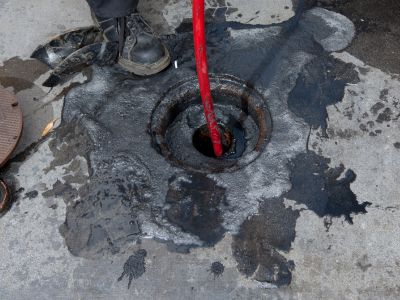 Hydro jetting is a powerful plumbing technique that uses high-pressure water streams to eliminate stubborn drain and sewer line clogs that traditional methods can't handle. This powerful
  Persistent
 )
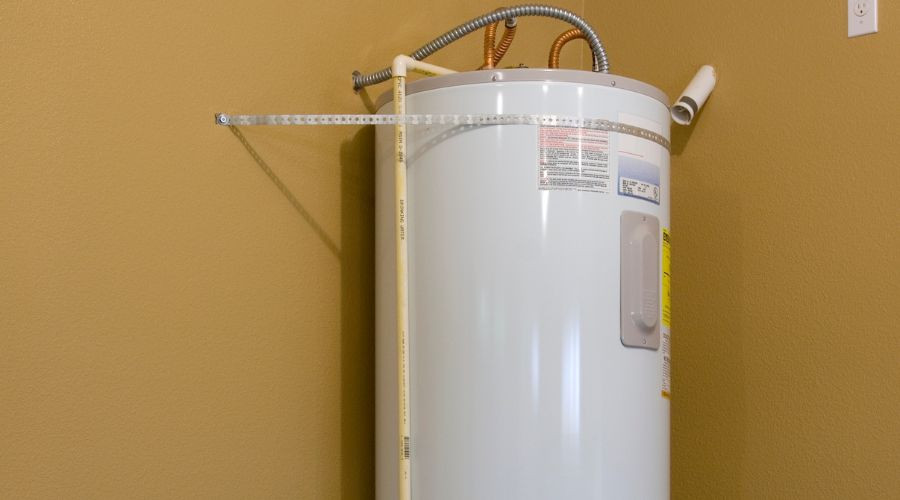
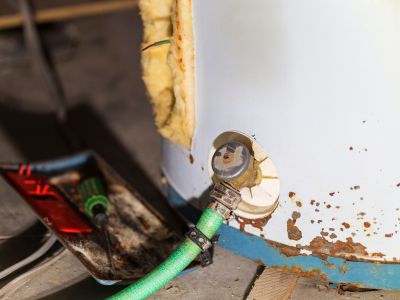 The maintenance of a water heater needs to be done regularly, as it impacts the efficiency, longevity, and safety of the unit. Draining and flushing the tank to remove
  Regular maintenance of the water heater is advised to improve overall performance and cost-effectiveness. Removing scale buildup and sediment can boost energy efficiency if maintenance is done regularly. It allows the unit to heat water more effectively while consuming 15% less energy. Additionally, regular maintenance helps extend the
 )
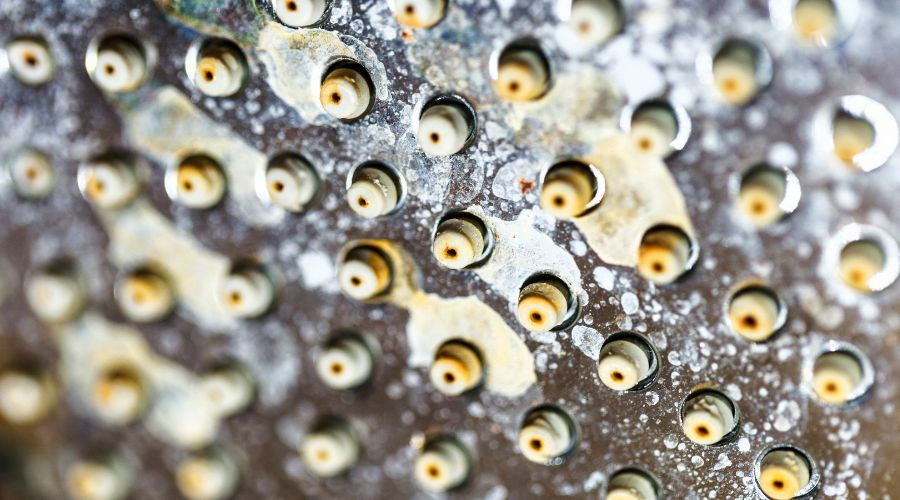
 Many homeowners struggle with the problems caused by hard water without realizing that the mineral content of their water is to blame.
 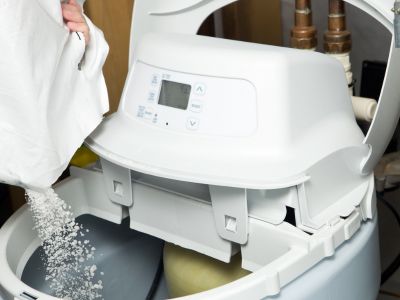 A
A )

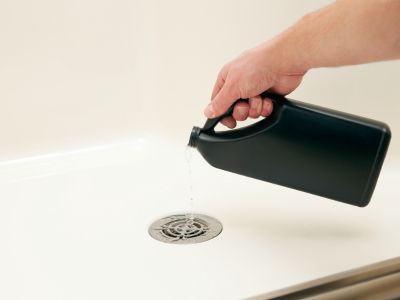 One mistake that homeowners may make is using chemical drain cleaners to deal with slow draining or clogged lines. Chemical drain cleaners often contain extremely harsh chemicals that can damage and corrode piping in the process of trying to dissolve grime and clogs. This can lead to leaks, damage, and the need for repair or replacement.
 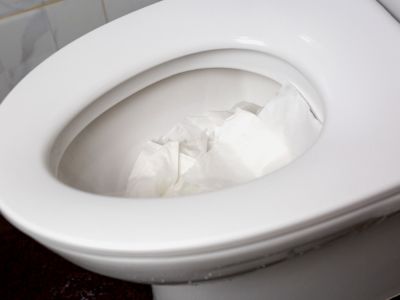 Another bad habit that homeowners should change is the misuse of their drains and toilets. Only toilet paper should be added and flushed down toilets. Other items like paper towels, dental floss, hair, cotton balls or rounds, wipes, even flushable wipes, and more should be thrown in the garbage instead.
)
