Sump pump system in a basin with water

Ensure Sump Pumps Are Operational and Ready for Spring

Working Sump Pumps Protect Homes From Flooding and Water Damage

Spring storms begin with steady rainfall, and saturated soil gradually increases hydrostatic pressure around a foundation. Beneath the basement floor, a sump pump system prepares to collect and redirect excess groundwater before intrusion occurs. Reliable operation during this season determines whether a property remains protected or faces water damage and costly repairs.

Sump Pumps and Their Benefits Explained

leak A sump pump system operates through a basin that collects groundwater as the level rises beneath a structure. Once water reaches a set threshold, the pump activates and channels water away through a discharge line. This controlled process prevents flooding and protects the foundation's integrity.

Consistent performance reduces the likelihood of water damage affecting flooring, walls, and stored belongings. Moisture control also limits mold growth, which can develop quickly in damp environments and spreads through indoor air. Health risks associated with mold exposure underscore the importance of effective management of home maintenance.

Long-term benefits include reduced repair costs and improved property value. Preventative systems like sump pumps minimize the need for extensive restoration after heavy rainfall. Reliable protection ensures a safer and more stable indoor environment throughout the spring season.

How to Make Sure a Sump Pump Works Correctly

sump pump Routine sump pump checks begin with inspecting the sump basin for debris, sediment, and potential clogs. Accumulated materials can block water flow and interfere with pump activation during critical moments. Clearing the basin ensures proper drainage and supports efficient system performance.

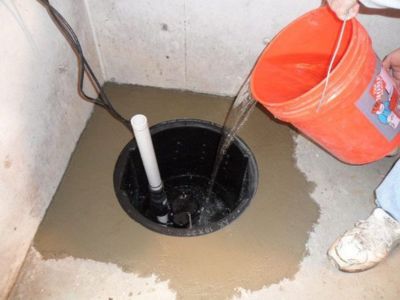
Functional testing involves pouring water into the basin to trigger the pump and observe its operation. A properly working system activates quickly and removes water through the discharge pipe without delay. Unusual sounds or slow response times may signal mechanical issues that require attention.

Professional maintenance plays a vital role in ensuring long-term reliability. Detailed inspections identify worn components, faulty switches, and electrical concerns before failure occurs. Scheduled servicing extends equipment lifespan and prepares the system for increased seasonal demand.

Why a Sump Pump Backup May Be Needed

Heavy rainfall often places continuous demand on a primary sump pump system. Extended operation can lead to mechanical wear or unexpected failure during peak conditions. A backup sump pump provides additional protection when the primary unit cannot keep up.

Power outages present another risk, especially during severe weather events that interrupt the electrical supply. Standard sump pumps rely on electricity, leaving basements vulnerable when power is lost. Battery-powered or water-powered backup systems maintain operation and continue removing water.

Redundant systems strengthen flood prevention strategies and improve overall reliability. Automatic activation ensures seamless support when primary equipment fails or stops functioning. Investment in a backup solution enhances protection against unexpected water intrusion and structural damage.

Contact About Plumbing Inc.

About Plumbing Inc. is a reliable plumbing solutions company serving Jefferson County, MO, and beyond. They offer straightforward pricing, trustworthy technicians, and the latest technology. Call them today for sump pump installation services in Jefferson County, MO.

Distribution Links +

Spring Prep: Make Sure Your Sump Pump Is Ready

Sump Pumps Protect Homes Against Flooding and Water Damage

A properly functioning sump pump serves as the first line of defense against basement flooding and costly water damage. These spring-ready devices come in handy when unpredictable rains cause floods in the area.

The stress and expense of surprise water damage can be avoided with proper maintenance. This post delivers expert maintenance tips and flood prevention strategies to keep basements safe and dry. Powerful, easy-to-follow steps ensure peace of mind and a secure home. Let’s explore how to make sure the system is ready for even the wildest weather.

How Do Sump Pumps Work?

Puddles forming on grass, indicating potential water accumulation issues related to basement flooding and the importance of sump pump maintenance.Sump pumps serve as the first line of defense against basement flooding during spring thaws and heavy rainfall. These crucial basement drainage systems automatically activate when water levels rise, preventing costly water damage and mold growth. They operate on a surprisingly simple mechanism that can save homeowners thousands in potential repair costs.
The heart of a sump pump system is the basin (or sump pit) installed at the lowest point of the basement. Water naturally flows into this collection point through drain tiles or natural ground movement. When water in the pit reaches a predetermined level, the float switch triggers the pump motor to start working. This activation happens automatically. The pump then forces water through a discharge pipe that directs it safely away from the foundation, typically into a storm drain or designated drainage area.

Most residential properties utilize one of two main pump types: submersible or pedestal models. Submersible pumps sit entirely underwater in the sump basin, operating quietly while handling larger debris. Pedestal pumps position the motor above the pit to prevent electrical components from contacting water. The American Society of Home Inspectors reports that properly maintained sump pumps typically last 7-10 years before requiring replacement, making them a worthwhile investment for protecting property.

How to Make Sure a Sump Pump Is Working Correctly

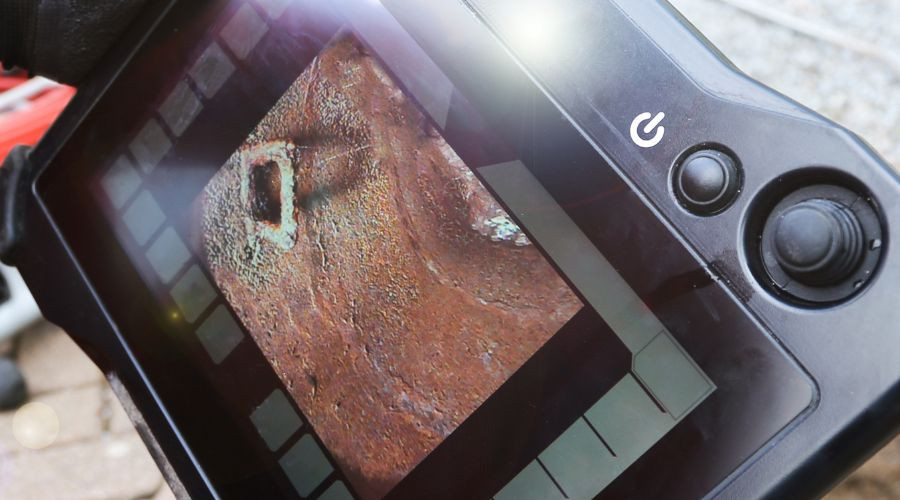
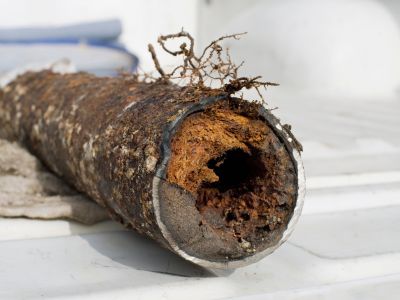
Corroded sewer pipe with roots and buildup, illustrating potential plumbing issues that can affect sump pump functionality and basement flooding.Testing the sump pump regularly ensures readiness to prevent basement flooding when spring rains arrive. Sump pump functionality should be checked at least twice a year, with early spring being the most critical time. The process is straightforward. Pour a few gallons of water into the sump pit and observe.

A properly functioning pump should activate automatically when water reaches the float trigger level. Unusual noises, such as grinding, rattling, or humming sounds, could indicate mechanical problems. These signs should not be ignored. After activation, the pump should quickly remove the water and shut off automatically once the pit is emptied. This simple test takes just minutes but provides valuable peace of mind.

While DIY testing helps identify obvious issues, professional basement waterproofing experts recommend annual maintenance inspections for complete pump system reliability. Professionals can clean accumulated debris from the discharge pipe and check critical components that might be missed. The American Society of Home Inspectors states that nearly 60% of sump pump failures result from improper maintenance rather than equipment age. During professional servicing, technicians will examine the backup power system, verify proper electrical connections, and ensure the check valve functions correctly. Regular maintenance significantly extends the pump's operational lifespan. A small investment in professional inspection can prevent costly water damage repairs later.

Why a Sump Pump Backup May Be Needed

Spring flooding can quickly overwhelm the primary sump pump, leaving the basement vulnerable to water damage. Installing a secondary or backup sump pump provides crucial protection during heavy rainfall when the main system might fail. Water can rise rapidly. Many homeowners discover too late that relying on a single pump is risky, especially during severe weather events when power outages and pump failures are most likely to occur simultaneously.

A battery-powered backup sump pump continues working even when electricity goes out. According to the American Society of Home Inspectors, nearly 60% of American homes experience below-ground wetness or flooding, with more than 90% of basement damage caused by failed sump pumps or power outages. Basements can accumulate several inches of water within hours when the primary pump stops working.

Water-powered backup systems offer another reliable alternative that doesn't depend on electricity or batteries. These secondary pumps activate automatically when the primary pump fails, providing continuous protection against basement flooding. They operate using municipal water pressure. The peace of mind from having redundant flood protection systems far outweighs the initial investment, especially when considering that basement flooding repairs typically cost between $3,000-$10,000, according to insurance industry data.

Call About Plumbing Inc.

About Plumbing Inc. is a reliable plumbing contractor serving Jefferson County, MO, and beyond. They offer straightforward pricing and satisfaction guaranteed. Call them for sump pump services in Barnhart, MO.

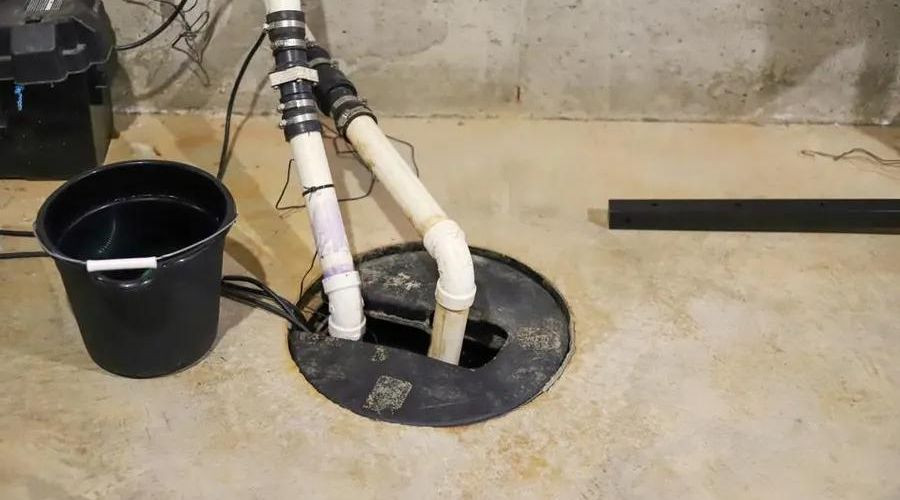
Sump pump system in basement with drainage pipes and bucket, illustrating plumbing solutions for water removal and flood prevention.

Get the Home Ready for Spring With Sump Pump Service

Understanding Sump Pumps

The house is the dividing line between home and nature. The home's features, like the roof and siding, are constantly fighting off the elements to keep families safe from bad weather and flooding. Dealing with spring rains is a big job for the home, and the roof gets most of the credit. However, other systems help protect the foundation from damage and flooding in homes with features below grade. 

Sump pumps are specialized pumping systems designed to remove rainwater that threatens to cause damage to the home. These types of pumps sit in special basins that collect rainwater and pump it away so water doesn't back up into the home. The basins are always a part of a system of drains that shunt unwanted water to the pump for removal. Without these systems, basements and crawl spaces can flood, and the foundation can shift, causing damage to the home. 

Benefits of Having a Sump Pump System 

When rain falls near the home, the drains collect the water and feed it to the basin using gravity. This stops water from pooling around the home. As the water is pumped away, the home's foundation stays dry, preventing two major problems. First, when the soil around a home becomes soggy, it is soft. Soft soil can shift the foundation of the home, damaging walls and roof lines. Secondly, excess water can back up underneath the home, especially when basements and crawl spaces are present. The standing water can attract termites as well as mold and fungus. 

Sump pumps deal with excess water quickly. Instead of allowing the home to become subject to problems like foundation damage and mold infestation, the home will stay safe and dry. 

Types of Sump Pumps Available

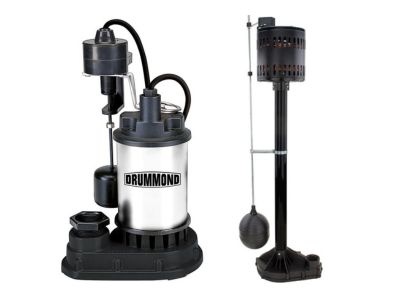
Submersible and pedestal sump pumps displayed side by side, showcasing options for managing excess water and preventing foundation damage in homes.When choosing a sump pump, the options are fairly easy to understand. With a simple explanation, most homeowners can immediately make an educated decision about the type of sump pump they want to protect their homes. The two most common types of sump pumps available are: 
  • Pedestal Sump Pumps: These pumps utilize a dry motor that turns an impeller using a long shaft. Pedestal sump pumps are louder but also cheaper. 
  • Submersible Sump Pumps: Submersible sump pumps have the pump and motor as a sealed unit inside the sump basin. They operate quietly and reliably, but they are more expensive to install. 

How to Test the Sump Pump 

Person pouring water from a bucket into a sump pump basin, demonstrating testing procedures for sump pump functionality in a basement setting.Not every home needs a sump pump, but for those that do, they are an essential kit for keeping the home protected. To test the sump pump to make sure it is ready for spring rains, simply fill the basin with water. If the float switch cycles the pump and drains the basin, the pump is ready for the season. If the pump fails to activate, it may be a good idea to call a professional plumber for sump pump repairs. 

What Is About Plumbing Inc.?

About Plumbing Inc. offers home and business owners friendly and professional plumbing services. They take the time to inform their clients of their options before they make repairs. Call today for plumbing service in Jefferson County, MO. 

Distribution Links +

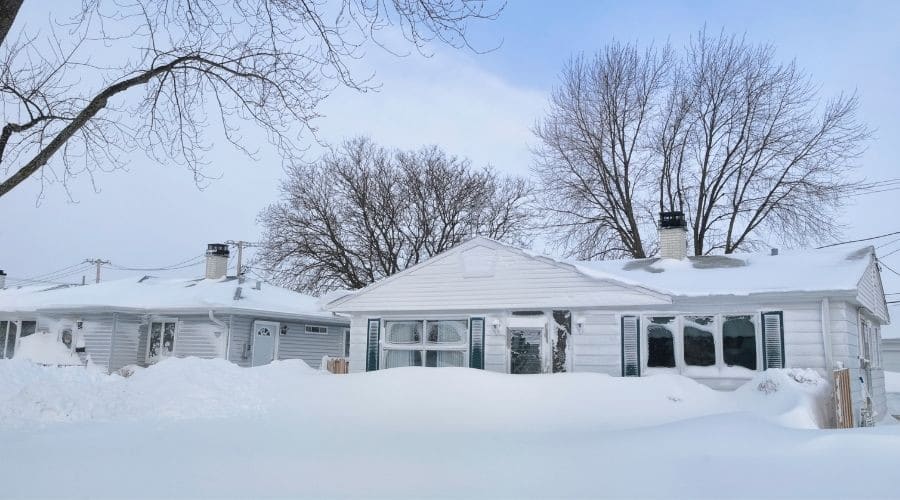
Houses covered in snow with snowdrifts, illustrating winter conditions and the importance of plumbing maintenance to prevent frozen pipes.

Are Your Pipes Ready for Winter?

Preparing the Plumbing System for Winter 

As the Autumn leaves fall, the temperature begins to drop, and the countdown to the first snow begins. Once the temperature starts dropping outside, homeowners should take steps to keep their pipes warm and water running throughout the winter. The highest risk is to pipes located in unheated places such as the garage, basement, attic, and water sprinkler lines. 

Fortunately, homeowners can take steps to prevent frozen pipes by winterizing them. Winterizing plumbing pipes is a way to prepare for plummeting temperatures and avoid pipe bursts.

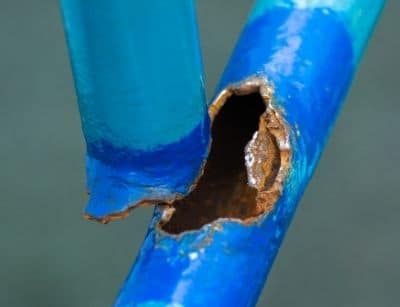
The Dangers of Burst PipesClose-up of a damaged blue pipe showing corrosion and a hole, highlighting risks of burst pipes in winter plumbing systems.

Burst pipes are one of the top causes of property damage in the winter months and can result in thousands of dollars in water damage. When water freezes, it expands. This expansion puts enormous pressure on the pipes regardless of whether the pipe is plastic or metal. It doesn’t matter how durable the pipe is; expanding water can cause it to break. Frozen pipes can crack, spilling hundreds of gallons of water into the home.

Preventing frozen pipes is much less expensive and frustrating than cleaning up after the pipes burst. Some simple ways to prevent this plumbing emergency include: 

  • Keep the Garage Door Closed: This is especially important for homeowners with water lines running through their garage. Garages are usually one of the coldest areas in a house with smooth, concrete floors and minimal insulation. Keeping the garage closed will also retain heat in the home, reducing heating bills too.
  • Let the Faucets Drip: Keep at least one faucet dripping when temperatures begin to drop around the freezing point. Choose the furthest faucet from the main water source so the water can flow through the entire pipe system.

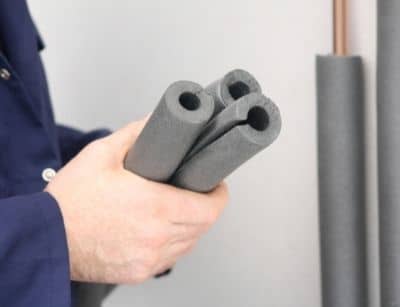
How Pipe Insulation HelpsPerson holding three pieces of foam pipe insulation, highlighting preventive measures for protecting plumbing from freezing temperatures.

The best way to protect pipes from freezing is to buy specially designed pipe insulation. When insulating pipes, pay particular attention to the pipes located in unheated areas such as the basement, crawl spaces, garage, attic, and exterior walls. 

The most common pipe insulators are made from foam, polyethylene, or fiberglass. These materials are not overly expensive and are quick and easy to install. Homeowners can also find pipe insulation that comes in a clamshell design, which essentially fits over the pipe, making it extremely easy to seal in place.

In addition to protecting the plumbing, added insulation can also help decrease energy bills as it preserves the heat while water travels to faucets and fixtures. Homeowners will also enjoy a shorter wait for hot water.

Additionally, insulation reduces condensation, which can pool water, preventing corrosion and avoiding the risk of water damage. 

Top Burst Pipe Prevention Tips

While burst pipe repair should be handled by professionals—who can also help homeowners with winterizing—homeowners can still do many things to protect their homes. Some top winter plumbing tips include: 

  • Open cabinets under the sinks in bathrooms and kitchen. This will allow heated air to circulate.
  • Set the thermostat to at least 55 degrees, particularly for homeowners that are away from home for an extended period.
  • Protect outdoor faucets and pipes in unheated areas with pipe insulation.
  • Cover the vents around the house’s foundation.
  • Drain water hoses and put them away for the winter.
  • Locate the water shut-off valve to prevent extensive damage in the event of a pipe burst.

Contact About Plumbing Inc.

The best way to protect the home during the winter is to work with a dependable plumbing company. With over 20 years of plumbing experience, About Plumbing Inc. is the company Jefferson County, MO can always count on for plumbing service. Contact them today for plumbing help