

Working Sump Pumps Protect Homes From Flooding and Water Damage
Spring storms begin with steady rainfall, and saturated soil gradually increases hydrostatic pressure around a foundation. Beneath the basement floor, a sump pump system prepares to collect and redirect excess groundwater before intrusion occurs. Reliable operation during this season determines whether a property remains protected or faces water damage and costly repairs.
Sump Pumps and Their Benefits Explained
 A sump pump system operates through a basin that collects groundwater as the level rises beneath a structure. Once water reaches a set threshold, the pump activates and channels water away through a discharge line. This controlled process prevents flooding and protects the foundation's integrity.
Consistent performance reduces the likelihood of water damage affecting flooring, walls, and stored belongings. Moisture control also limits mold growth, which can develop quickly in damp environments and spreads through indoor air. Health risks associated with mold exposure underscore the importance of effective management of home maintenance.
Long-term benefits include reduced repair costs and improved property value. Preventative systems like sump pumps minimize the need for extensive restoration after heavy rainfall. Reliable protection ensures a safer and more stable indoor environment throughout the spring season.
How to Make Sure a Sump Pump Works Correctly
 Routine sump pump checks begin with inspecting the sump basin for debris, sediment, and potential clogs. Accumulated materials can block water flow and interfere with pump activation during critical moments. Clearing the basin ensures proper drainage and supports efficient system performance.
Functional testing involves pouring water into the basin to trigger the pump and observe its operation. A properly working system activates quickly and removes water through the discharge pipe without delay. Unusual sounds or slow response times may signal mechanical issues that require attention.
Professional maintenance plays a vital role in ensuring long-term reliability. Detailed inspections identify worn components, faulty switches, and electrical concerns before failure occurs. Scheduled servicing extends equipment lifespan and prepares the system for increased seasonal demand.
Why a Sump Pump Backup May Be Needed
Heavy rainfall often places continuous demand on a primary sump pump system. Extended operation can lead to mechanical wear or unexpected failure during peak conditions. A backup sump pump provides additional protection when the primary unit cannot keep up.
Power outages present another risk, especially during severe weather events that interrupt the electrical supply. Standard sump pumps rely on electricity, leaving basements vulnerable when power is lost. Battery-powered or water-powered backup systems maintain operation and continue removing water.
Redundant systems strengthen flood prevention strategies and improve overall reliability. Automatic activation ensures seamless support when primary equipment fails or stops functioning. Investment in a backup solution enhances protection against unexpected water intrusion and structural damage.
Contact About Plumbing Inc.
About Plumbing Inc. is a reliable plumbing solutions company serving Jefferson County, MO, and beyond. They offer straightforward pricing, trustworthy technicians, and the latest technology. Call them today for sump pump installation services in Jefferson County, MO.
)
Distribution Links +
- https://go.chinesewire.com
- https://smb.bogalusadailynews.com
- https://smb.magnoliastatelive.com
- https://smb.panews.com
- https://smb.lobservateur.com
- https://smb.americustimesrecorder.com
- https://smb.dailyleader.com
- https://smb.dailyleader.com
- https://smb.claiborneprogress.net
- https://smb.elizabethton.com
- https://smb.jessaminejournal.com
- https://smb.kenbridgevictoriadispatch.com
- https://smb.thesnaponline.com
- https://smb.clemmonscourier.net
- https://smb.ourdavie.com
- https://smb.theinteriorjournal.com
- https://smb.winchestersun.com
- https://smb.salisburypost.com
- https://smb.salisburypost.com
- https://smb.middlesboronews.com
- https://smb.thepostsearchlight.com
- https://pr.washingtoncitypaper.com
- https://smb.theleesvilleleader.com
- https://smb.prentissheadlight.com
- https://smb.prentissheadlight.com
- https://smb.beauregardnews.com
- https://pr.hattiesburg.com
- https://pr.hattiesburg.com
- https://pr.walnutcreekmagazine.com
- https://pr.thembnews.com
- https://pr.boreal.org
- https://pr.timesofsandiego.com
- https://pr.chestercounty.com
- https://pr.chestercounty.com
- https://pr.wncbusiness.com
- https://pr.ashlandtownnews.com
- https://pr.ashlandtownnews.com
- https://pr.millismedwaynews.com
- https://pr.hopedaletownnews.com
- https://pr.franklintownnews.com
- https://pr.franklintownnews.com
- https://pr.naticktownnews.com
- https://pr.naticktownnews.com
- https://pr.rivertonjournal.com
- https://pr.herrimanjournal.com
- https://pr.herrimanjournal.com
- https://pr.holladayjournal.com
- https://pr.holladayjournal.com
- https://pr.wvcjournal.com
- https://pr.midvalejournal.com
- https://pr.sandyjournal.com
- https://pr.sandyjournal.com
- https://pr.southjordanjournal.com
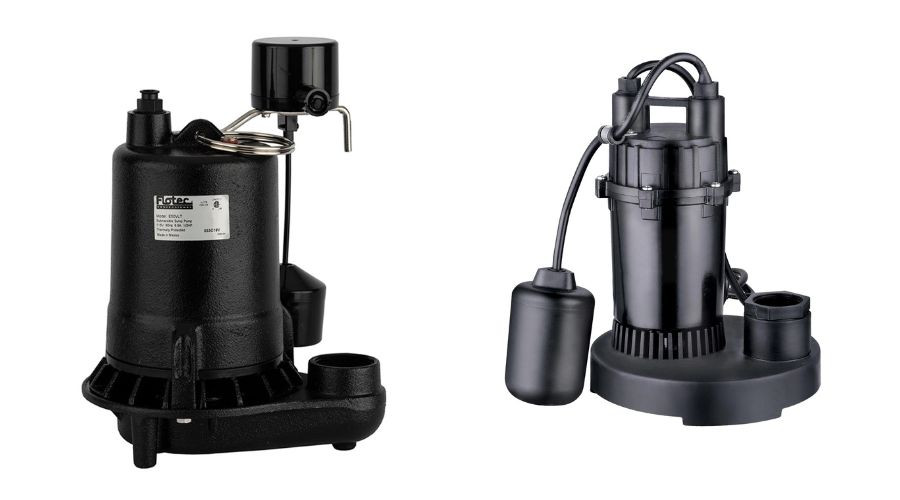
 There are many different types of sump pumps, as discussed later on this page. However, they all work in the same way. Each device comes with a float switch and a pump. As noted, sump pumps are generally in basements or some crawl space.
  Buying and installing a sump pump is a lot like insurance; it offers protection during heavy rainfall. The three main benefits of having a sump pump include:
 )
