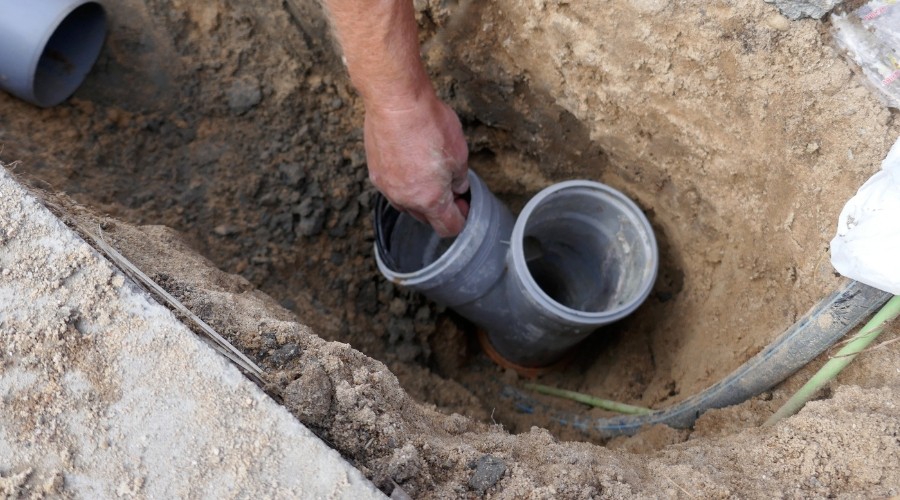
How Routine Plumbing Maintenance Helps Protect a Home

The Importance of Annual Plumbing Maintenance

A home's plumbing system works quietly behind the scenes every single day, and like any complex system subjected to constant use, it requires routine professional attention to continue performing at its best. Annual plumbing maintenance allows licensed plumbers to inspect the entire system, identify developing concerns, and address them before they evolve into disruptive and expensive problems. Understanding the full scope of benefits that come with scheduled plumbing maintenance helps homeowners appreciate why this proactive investment pays dividends in efficiency, savings, and long-term system health.

Improved Efficiency and Lower Utility Costs

save money Hidden water leaks are among the most common and quietly damaging plumbing issues a home can experience, as even a slow drip inside a wall or beneath a floor can waste thousands of gallons of water over the course of a year without ever making itself known through obvious signs. During a routine plumbing maintenance visit, a professional plumber conducts a thorough inspection of the entire system, using specialized tools to detect leaks and identify vulnerabilities in pipes and fittings that could develop into leaks if left unaddressed. Catching and repairing these issues early keeps water waste to a minimum and produces a noticeable reduction in monthly water bills.
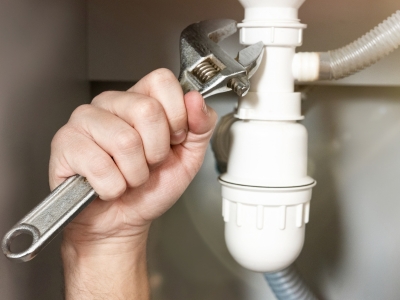
Water heater maintenance is another critical component of a comprehensive plumbing checkup, as sediment and mineral deposits naturally accumulate at the bottom of a storage tank water heater over time and force the unit to consume more energy to heat the same volume of water. Draining and flushing the water heater during routine maintenance clears this buildup and restores the unit's heating efficiency, allowing it to reach target temperatures faster and with less energy expenditure. The improvement in energy efficiency that follows a properly maintained water heater is reflected directly in lower utility bills, making water heater maintenance one of the most cost-effective tasks included in an annual plumbing service.

The relationship between routine plumbing maintenance and household utility costs is straightforward: a plumbing system that operates without leaks, blockages, or inefficiencies uses resources as intended, while a neglected system quietly drives up expenses month after month. Fixtures like faucets and toilets are also inspected during maintenance visits, as running toilets and dripping faucets are frequent contributors to inflated water bills that homeowners often attribute to other causes. Addressing these small but impactful inefficiencies during a scheduled maintenance appointment keeps the entire plumbing system operating as economically as possible.

Reduced Risk of Costly Repairs

plumbing Routine plumbing maintenance serves as a proactive defense against the kinds of serious plumbing failures that tend to strike without warning and leave homeowners facing repair bills far larger than any maintenance service would have cost. During a professional maintenance visit, licensed plumbers examine every accessible component of the plumbing system, from supply lines and shut-off valves to drain connections and pressure regulators, looking for signs of wear, corrosion, or deterioration that signal a problem in the making. Identifying these minor issues while they are still manageable allows plumbers to perform targeted repairs or adjustments before the underlying condition worsens.

A small pipe joint showing early signs of corrosion for example, is a relatively straightforward repair when caught during a routine inspection, but left unattended, it can eventually fail and cause significant water damage to walls, flooring, and structural elements of the home. Similarly, a water heater showing signs of sediment buildup or pressure irregularities can be serviced and restored to safe operation during a maintenance visit, whereas allowing those conditions to persist risks a complete unit failure or, in more serious cases, a safety hazard. The cost difference between a preventive repair and an emergency service call reinforces why scheduled maintenance is considered a foundational practice by plumbing professionals.

Homeowners who invest in annual plumbing maintenance consistently experience fewer unexpected repair needs because the regular attention given to the system reduces the likelihood that any single component will deteriorate to the point of failure between visits. The peace of mind that comes from knowing a licensed plumber has thoroughly evaluated the plumbing system and resolved any concerns is itself a valuable outcome of routine maintenance. For a property in Jefferson County, MO, where plumbing demands fluctuate with the seasons, that consistency of care makes a meaningful difference in the reliability of the entire system.

Extended Lifespan for the Plumbing

Every pipe, fixture, and water-using appliance in a home has a finite lifespan, but that lifespan can be significantly shortened by neglect, hard water exposure, corrosion, and the kind of cumulative wear that goes unnoticed until a component reaches the point of failure. Annual plumbing maintenance addresses the factors that accelerate this deterioration, allowing plumbers to clean, adjust, and treat components in ways that slow the aging process and preserve the structural integrity of the plumbing system. Protecting the existing infrastructure through regular professional care is far less disruptive and expensive than replacing pipes, fixtures, or water heaters before their time.

Corrosion is one of the most damaging forces acting on a home's plumbing over its lifetime, and it often develops gradually in areas that are not visible during everyday household activities. A routine inspection allows plumbers to identify early-stage corrosion on pipe connections, valve bodies, and water heater components and take corrective action before the damage spreads or causes a failure. Treating or replacing a corroded fitting during a maintenance visit protects the surrounding plumbing from being compromised by the same deterioration, extending the overall lifespan of the system as a whole.

Water heaters, in particular, benefit enormously from regular maintenance, as annual flushing, anode rod inspection, and pressure relief valve testing collectively preserve the tank's condition and prevent the internal corrosion that causes premature failure. A well-maintained water heater routinely outlasts a neglected unit by several years, deferring the cost of replacement and ensuring consistent hot water delivery throughout the home. For homeowners looking to protect every component of the plumbing system and delay the significant expense of full-scale replacements, a commitment to annual professional maintenance is the most dependable strategy available.

Contact About Plumbing Inc.

About Plumbing Inc. is a reliable plumbing solutions company serving Jefferson County, MO, and beyond. They offer straightforward pricing, trustworthy technicians, and the latest technology. Call them today for plumbing maintenance services in Jefferson County, MO.

Distribution Links +

Sewer Line Repair Explained

Important Basics to Know About Sewer Line Repair

Sewer line problems have a way of starting small and quietly building into major plumbing emergencies when left unaddressed for too long. Understanding the warning signs, the root causes, and the repair methods available gives homeowners a significant advantage in protecting one of the most critical components of a home's plumbing system. The sections below walk through everything worth knowing before a sewer line issue gets out of hand.

What Signs Indicate Sewer Line Repair Is Needed?

water Slow draining across multiple fixtures in the home is one of the earliest and most telling signs that something is wrong deeper in the plumbing system, particularly in the sewer line. When drains and toilets begin backing up, or when a strong sewage odor starts lingering around the property, those are clear signals that the sewer line may be damaged, blocked, or leaking somewhere along its length. Gurgling sounds coming from drains after water is used are another symptom worth taking seriously, as that sound often indicates air being displaced by a partial blockage or breach in the line.
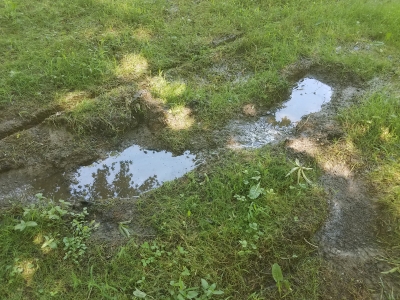
Beyond what can be heard or smelled indoors, the yard itself sometimes tells the story of a failing sewer line. Patches of unusually lush, green grass or unexpected plant growth in a specific area of the yard can point to a leak below ground, where escaping sewage is acting as a fertilizer for the surrounding soil. Soggy spots or unexplained puddles on the lawn, even during dry weather, are equally suspicious and often trace back to a sewer line that has cracked or separated beneath the surface.

Catching these signs early is the difference between a manageable repair and a full-scale plumbing crisis that affects the entire property. Any combination of these symptoms, especially when multiple are present at the same time, warrants a call to a licensed plumbing professional without delay. A thorough inspection can confirm whether the sewer line is the source of the problem and determine the best course of action before conditions worsen.

What Causes Sewer Line Damage?

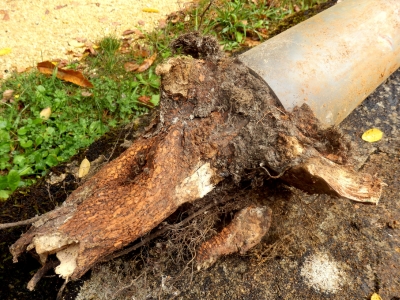
tree roots Sewer lines run underground, which makes them vulnerable to a range of environmental and structural forces that can quietly cause damage over months or even years. Shifting soil is a common culprit, as ground movement from seasonal changes, nearby construction, or settling places physical stress on buried pipes that can lead to cracks, misalignments, or complete separations in the line. Tree roots are equally destructive, as they naturally seek out moisture and nutrients, making sewer lines an attractive target that roots will infiltrate and expand within until the pipe is compromised.

Older sewer lines face a different but equally serious threat in the form of age and corrosion, particularly those made from cast iron or clay materials that were common in homes built several decades ago. As these materials deteriorate over time, the pipe walls weaken, become brittle, and eventually fail, creating leaks or collapses that require prompt professional attention. The older the plumbing system, the greater the likelihood that age-related wear is contributing to recurring sewer line issues.

Clogs and blockages that are left untreated long enough can also inflict lasting damage on a sewer line by creating pressure buildup that stresses pipe joints and walls. Items that should never be flushed, grease poured down drains, and accumulated debris all contribute to blockages that can escalate from a nuisance into a structural problem over time. Addressing clogs early and maintaining mindful habits around what enters the plumbing system goes a long way toward protecting the sewer line from avoidable damage.

How Is Sewer Line Repair Done?

Before any repair work begins, professionals rely on sewer video inspection to get a clear and accurate picture of what is happening inside the line. A small, waterproof camera is fed through the pipe, transmitting live footage that allows technicians to pinpoint the exact location of the problem, identify its cause, and assess the full extent of the damage. This diagnostic step eliminates guesswork and ensures that the repair strategy chosen is the right fit for the specific situation at hand.

When the damage is identified as limited in scope and the surrounding ground conditions are suitable, trenchless sewer repair is often the preferred method due to its minimal disruption to the property. Techniques such as pipe lining or pipe bursting allow professionals to rehabilitate or replace a damaged sewer line without the need for extensive digging, preserving landscaping, driveways, and other structures above ground. Trenchless methods tend to be faster and less invasive, making them a highly desirable option when the conditions allow for it.

In situations where the damage is more severe or widespread, traditional sewer line repair or full replacement through excavation becomes the necessary course of action. While this approach requires digging to access the affected section of pipe, it allows technicians to directly address significant damage that trenchless methods cannot adequately resolve. Regardless of which repair method is required, having a skilled plumbing professional handle the job ensures the work is done correctly, restoring the sewer line to full function and protecting the home for years to come.

Contact About Plumbing Inc.

About Plumbing Inc. is a reliable plumbing solutions company serving Jefferson County, MO, and beyond. They offer straightforward pricing, trustworthy technicians, and 100% satisfaction guaranteed. Call them today for sewer line repairs in Jefferson County, MO.

Distribution Links +

Sump pump system in a basin with water

Ensure Sump Pumps Are Operational and Ready for Spring

Working Sump Pumps Protect Homes From Flooding and Water Damage

Spring storms begin with steady rainfall, and saturated soil gradually increases hydrostatic pressure around a foundation. Beneath the basement floor, a sump pump system prepares to collect and redirect excess groundwater before intrusion occurs. Reliable operation during this season determines whether a property remains protected or faces water damage and costly repairs.

Sump Pumps and Their Benefits Explained

leak A sump pump system operates through a basin that collects groundwater as the level rises beneath a structure. Once water reaches a set threshold, the pump activates and channels water away through a discharge line. This controlled process prevents flooding and protects the foundation's integrity.

Consistent performance reduces the likelihood of water damage affecting flooring, walls, and stored belongings. Moisture control also limits mold growth, which can develop quickly in damp environments and spreads through indoor air. Health risks associated with mold exposure underscore the importance of effective management of home maintenance.

Long-term benefits include reduced repair costs and improved property value. Preventative systems like sump pumps minimize the need for extensive restoration after heavy rainfall. Reliable protection ensures a safer and more stable indoor environment throughout the spring season.

How to Make Sure a Sump Pump Works Correctly

sump pump Routine sump pump checks begin with inspecting the sump basin for debris, sediment, and potential clogs. Accumulated materials can block water flow and interfere with pump activation during critical moments. Clearing the basin ensures proper drainage and supports efficient system performance.

Functional testing involves pouring water into the basin to trigger the pump and observe its operation. A properly working system activates quickly and removes water through the discharge pipe without delay. Unusual sounds or slow response times may signal mechanical issues that require attention.

Professional maintenance plays a vital role in ensuring long-term reliability. Detailed inspections identify worn components, faulty switches, and electrical concerns before failure occurs. Scheduled servicing extends equipment lifespan and prepares the system for increased seasonal demand.

Why a Sump Pump Backup May Be Needed

Heavy rainfall often places continuous demand on a primary sump pump system. Extended operation can lead to mechanical wear or unexpected failure during peak conditions. A backup sump pump provides additional protection when the primary unit cannot keep up.

Power outages present another risk, especially during severe weather events that interrupt the electrical supply. Standard sump pumps rely on electricity, leaving basements vulnerable when power is lost. Battery-powered or water-powered backup systems maintain operation and continue removing water.

Redundant systems strengthen flood prevention strategies and improve overall reliability. Automatic activation ensures seamless support when primary equipment fails or stops functioning. Investment in a backup solution enhances protection against unexpected water intrusion and structural damage.

Contact About Plumbing Inc.

About Plumbing Inc. is a reliable plumbing solutions company serving Jefferson County, MO, and beyond. They offer straightforward pricing, trustworthy technicians, and the latest technology. Call them today for sump pump installation services in Jefferson County, MO.

Distribution Links +

professional plumber using a drain snake tool to unclog a residential drain pipe

Subtle Clues That Signal a Clogged Drain or Sewer Line

How to Identify a Clog and the Need for Drain Cleaning

Recognizing a drain or sewer line problem early helps prevent messy, expensive failures. Many households first notice gurgling noises, unpleasant smells, or water draining more slowly than normal long before a full blockage forms. This overview breaks down how to distinguish between an individual drain line clog and a deeper sewer line clog, why each develops, and when professional drain cleaning or sewer line repair should be scheduled to protect plumbing and property.

Gurgling Noises or a Bad Smell

bad smell Gurgling sounds from sinks, tubs, or toilets often mean air is struggling past a partial blockage in the pipe. When the noise is limited to a single fixture, a clogged drain line close to that fixture is a likely source. If gurgling occurs in several drains, however, the issue may trace back to the main sewer line.

Odors also provide important clues. A sour or sewage-like smell coming from one drain suggests decaying debris or buildup that needs thorough drain cleaning. Foul smells drifting from multiple fixtures, or lingering even after routine cleaning, point more strongly toward a clogged sewer line or vent problem that requires inspection. In both cases, professional equipment and techniques can locate the obstruction and clear the pipe without damaging the system.

Slow Draining

clog Water that lingers in a sink, shower, or bathtub signals that the flow through the pipe is restricted. A single slow drain commonly indicates hair, grease, or soap buildup in a nearby line. Ignoring the symptom can allow the partial drain line clog to harden into a complete blockage.

When slow draining affects several fixtures on the same level of a home or appears throughout the building, attention should turn to the main sewer line. A sewer line clog caused by intrusive tree roots, foreign objects, or long-term buildup can reduce capacity for the entire property. Professional drain cleaning methods, such as cabling or hydro jetting, restore open flow more reliably and safely than chemical products.

Backups

Backups are one of the clearest signs that a clog has progressed. If water backs up in a single fixture, such as a basement floor drain or one toilet, a localized clogged drain line is often responsible. Even then, an inspection can confirm whether the blockage sits near that fixture or deeper in the branch line.

Multiple toilets overflowing, wastewater rising in tubs when another fixture is used, or sewage appearing in lower-level drains are strong indicators of a clogged sewer line. At that stage, quick action is essential to limit contamination and structural damage. A licensed plumber can diagnose the exact location of the sewer line clog and recommend targeted sewer line repair or replacement if necessary.

About About Plumbing Inc.

About Plumbing Inc. is a top-rated plumbing contractor in Jefferson County, proudly offering affordable and effective solutions for all plumbing needs. With friendly and professional service from their trustworthy technicians, customer satisfaction is guaranteed. Call them today to schedule drain cleaning services in Jefferson County, MO.

Distribution Links +

Key Benefits of Installing a Tankless Water Heater

Why Go Tankless?

Tankless water heaters continue to gain attention across residential and light commercial plumbing projects. Many plumbing contractors recommend this system due to efficiency, performance, and long-term value. A shift toward tankless technology supports modern water heating needs without unnecessary waste.

Energy Efficiency

save money Tankless water heaters heat water only when hot water demand occurs, rather than maintaining a constant supply in a storage tank. This process reduces standby heat loss, which is commonly experienced in traditional storage water heaters. Lower energy usage often results in reduced utility expenses and improved efficiency ratings.

Energy-efficient water heating remains a priority within the plumbing industry. Tankless systems use advanced heating elements or gas burners designed for precise temperature control. Consistent performance supports energy savings across daily water usage.

Modern plumbing contractors frequently highlight efficiency as a key advantage during water heater consultations. Reduced energy consumption aligns with current building standards and sustainability goals. Long-term operating savings add value to professional tankless water heater installation.

Endless Hot Water Supply and Space Savings

shower head Tankless water heaters deliver hot water on demand, rather than storing a limited supply in a tank. This design eliminates concerns related to running out of hot water during peak usage. Continuous hot water supports busy households and commercial settings.

On-demand operation ensures consistent water temperature during extended use. Multiple fixtures can receive hot water without delay when systems are properly sized. Reliable performance remains a major reason for choosing tankless water heater installation.

Tankless models feature compact designs without bulky storage tanks. Smaller units allow flexible installation options and free up valuable storage space. Space savings contribute to improved utility room organization and layout efficiency.

Longer Life Expectancy

Tankless water heaters often exceed a lifespan of 20 years with proper maintenance. Traditional storage water heaters generally require replacement after 10 to 15 years. An extended lifespan reduces replacement frequency and long-term equipment costs.

Durable components and replaceable parts contribute to increased longevity. Professional installation and routine service help maintain consistent operation. Reduced wear from constant heating also supports extended system life.

Plumbing contractors frequently recommend tankless systems for long-term investment value. Fewer replacements mean lower lifetime ownership costs. Reliable performance over decades adds confidence to the installation decision. Professional tankless water heater installation and repair services ensure proper system sizing, safe operation, and optimal performance. 

Contact About Plumbing Inc.

About Plumbing Inc. is a trusted plumbing company serving Jefferson County, MO, and beyond. They offer the latest technology, affordable and effective solutions, and friendly and professional service. Call them for tankless water heater installation and repair services in Jefferson County, MO.

Distribution Links +