
Keep Pipes Safe Through the Winter
Winters can get pretty rough in the area. With wild winter weather comes major inconveniences like power outages and slick roads, but no problem hits closer to home than losing water service because of frozen pipes.
Frozen pipes can occur when freezing air is allowed to contact plumbing infrastructure. When the water inside the frozen pipe freezes and expands, it cuts off the water supply and, in many cases, leads to a burst pipe.
Not only will the family or business be without water, but the resulting flood can cause major damage during an already stressful time. Here are some professional tips to help owners protect their properties from freezing pipes.
Insulate the Pipes
 Pipes are hidden around the property under slabs, within walls and attics. Plumbing codes go a long way towards ensuring that pipes are not vulnerable to freezing air. However, in repipings or renovations, pipes can be exposed to cold temperatures. In these cases, taking extra steps to protect piping is vital.
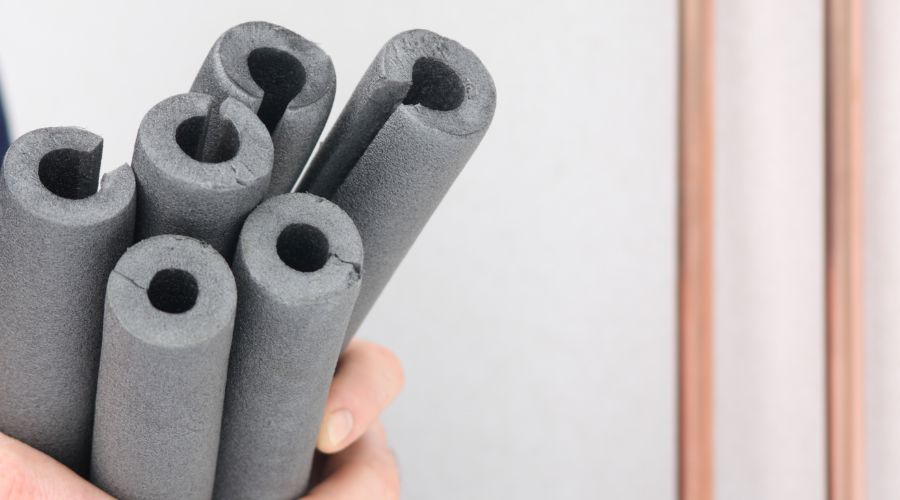
The simplest way to protect piping is to install pipe insulation on visible or vulnerable pipes. Pipe insulation is cheap and easy to install and can protect pipes much more effectively than leaving them exposed.
Often, the hardest part of an insulation project is locating vulnerable pipes. For that, owners can rely on the expertise of local plumbers. These professionals can find pipes that need insulation and quickly protect them.
Keep the Heater Running
 As plumbing codes are developed to keep structures safe and effective for occupation, one of the assumptions made in most cases is that they will be climate-controlled. This is especially true for housing and the plumbing codes that govern it.
One of the major causes of frozen pipes in the winter is people going on vacation and turning the thermostat off or leaving the setpoints too low. This leaves pipes buried in insulated walls without enough protection from the elements.
The easy solution is to simply use the central heating system to keep the home warm enough to prevent frozen pipes. In many cases, it can also be helpful to encourage air circulation around piping within the walls by using space heaters or fans and opening cabinet doors to prevent cold spots from forming.
Outdoor Plumbing Tips
Protecting the plumbing in the home with pipe insulation and using the heater is important, but homeowners should also remember to protect the outdoor plumbing.
Before temperatures drop, homeowners should take some time to winterize outdoor plumbing so that it is ready to weather the freezing temperatures of winter. Start by disconnecting any hoses from their bibs and draining them of all water.
Cover the bibs with insulation to prevent cold air from freezing water inside the faucet. Store hoses indoors to prevent the cold weather from making them brittle. After this, owners should move on to outdoor kitchens and sinks. Shut off the water supply, drain the pipes, and purge the lines. RV antifreeze can also help prevent drain lines from freezing.
About About Plumbing Inc.
About Plumbing Inc. uses trustworthy technicians to provide residential and commercial plumbing services. Their teams handle everything from drain cleaning to pipe inspection and winterization. Call today for plumbing service in Jefferson County, MO.
