
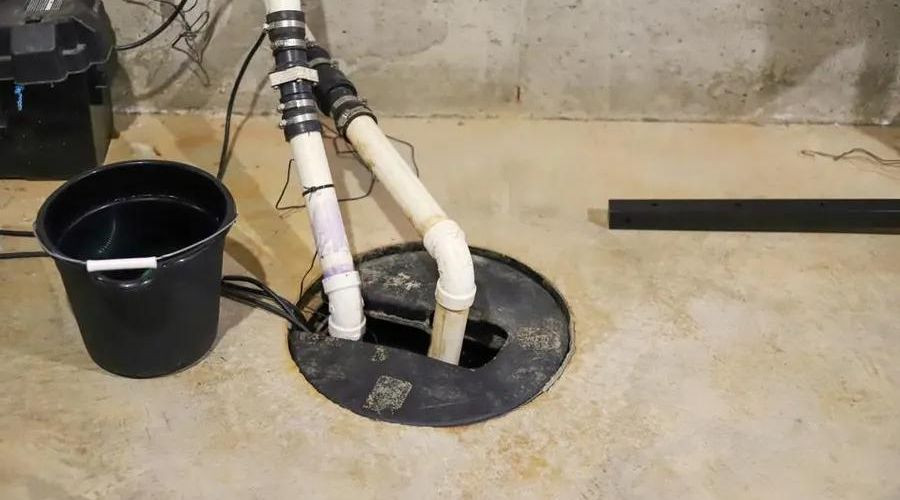
Understanding Sump Pumps
The house is the dividing line between home and nature. The home's features, like the roof and siding, are constantly fighting off the elements to keep families safe from bad weather and flooding. Dealing with spring rains is a big job for the home, and the roof gets most of the credit. However, other systems help protect the foundation from damage and flooding in homes with features below grade.
Sump pumps are specialized pumping systems designed to remove rainwater that threatens to cause damage to the home. These types of pumps sit in special basins that collect rainwater and pump it away so water doesn't back up into the home. The basins are always a part of a system of drains that shunt unwanted water to the pump for removal. Without these systems, basements and crawl spaces can flood, and the foundation can shift, causing damage to the home.
Benefits of Having a Sump Pump System
When rain falls near the home, the drains collect the water and feed it to the basin using gravity. This stops water from pooling around the home. As the water is pumped away, the home's foundation stays dry, preventing two major problems. First, when the soil around a home becomes soggy, it is soft. Soft soil can shift the foundation of the home, damaging walls and roof lines. Secondly, excess water can back up underneath the home, especially when basements and crawl spaces are present. The standing water can attract termites as well as mold and fungus.
Sump pumps deal with excess water quickly. Instead of allowing the home to become subject to problems like foundation damage and mold infestation, the home will stay safe and dry.
Types of Sump Pumps Available
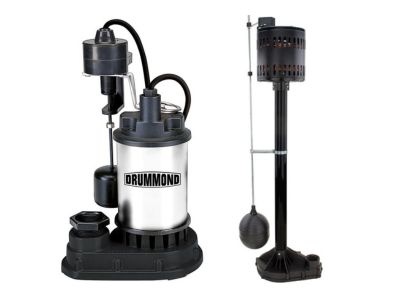 When choosing a sump pump, the options are fairly easy to understand. With a simple explanation, most homeowners can immediately make an educated decision about the type of sump pump they want to protect their homes. The two most common types of sump pumps available are:
- Pedestal Sump Pumps: These pumps utilize a dry motor that turns an impeller using a long shaft. Pedestal sump pumps are louder but also cheaper.
- Submersible Sump Pumps: Submersible sump pumps have the pump and motor as a sealed unit inside the sump basin. They operate quietly and reliably, but they are more expensive to install.
How to Test the Sump Pump
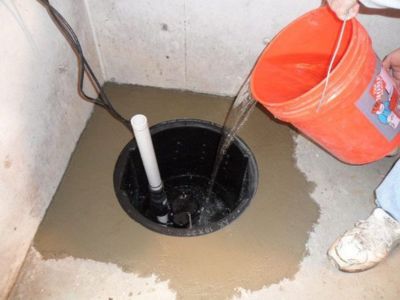 Not every home needs a sump pump, but for those that do, they are an essential kit for keeping the home protected. To test the sump pump to make sure it is ready for spring rains, simply fill the basin with water. If the float switch cycles the pump and drains the basin, the pump is ready for the season. If the pump fails to activate, it may be a good idea to call a professional plumber for sump pump repairs.
What Is About Plumbing Inc.?
About Plumbing Inc. offers home and business owners friendly and professional plumbing services. They take the time to inform their clients of their options before they make repairs. Call today for plumbing service in Jefferson County, MO.
)
Distribution Links +
- lifestyle.kynt1450.com
- lifestyle.all80sz1063.com
- lifestyle.myeaglecountry.com
- newsnetmedia.com
- atlanta.newsnetmedia.com
- augusta.newsnetmedia.com
- austin.newsnetmedia.com
- boise.newsnetmedia.com
- buffalo.newsnetmedia.com
- columbia.newsnetmedia.com
- columbus.newsnetmedia.com
- detroit.newsnetmedia.com
- fresno.newsnetmedia.com
- jacksonville.newsnetmedia.com
- losangeles.newsnetmedia.com
- minneapolis.newsnetmedia.com
- monterey.newsnetmedia.com
- myrtlebeach.newsnetmedia.com
- nashville.newsnetmedia.com
- norfolk.newsnetmedia.com
- odessa.newsnetmedia.com
- pittsburgh.newsnetmedia.com
- portland.newsnetmedia.com
- quincy.newsnetmedia.com
- sacramento.newsnetmedia.com
- saltlakecity.newsnetmedia.com
- sanantonio.newsnetmedia.com
- santabarbara.newsnetmedia.com
- siouxfalls.newsnetmedia.com
- waco.newsnetmedia.com
- sports.newsnetmedia.com
- lifestyle.roanokenewstalk.com
- https://smb.ourdavie.com
- https://smb.state-journal.com
- https://smb.thecharlottegazette.com
- https://smb.thecoastlandtimes.com
- https://smb.theinteriorjournal.com
- https://smb.thetidewaternews.com
- https://smb.tryondailybulletin.com
- https://smb.winchestersun.com
- https://smb.farmvilleherald.com
- https://smb.salisburypost.com
- https://smb.shelbycountyreporter.com
- https://smb.smithfieldtimes.com
- https://smb.suffolknewsherald.com
- https://smb.thewashingtondailynews.com
- https://smb.thewetumpkaherald.com
- https://smb.cordeledispatch.com
- https://smb.lagrangenews.com
- https://smb.middlesboronews.com
- https://smb.roanoke-chowannewsherald.com
- https://smb.tallasseetribune.com
- https://smb.thepostsearchlight.com
- https://smb.valleytimes-news.com
- https://smb.lowndessignal.com
- https://pr.washingtoncitypaper.com
- https://smb.theleesvilleleader.com
- https://smb.prentissheadlight.com
- https://smb.beauregardnews.com
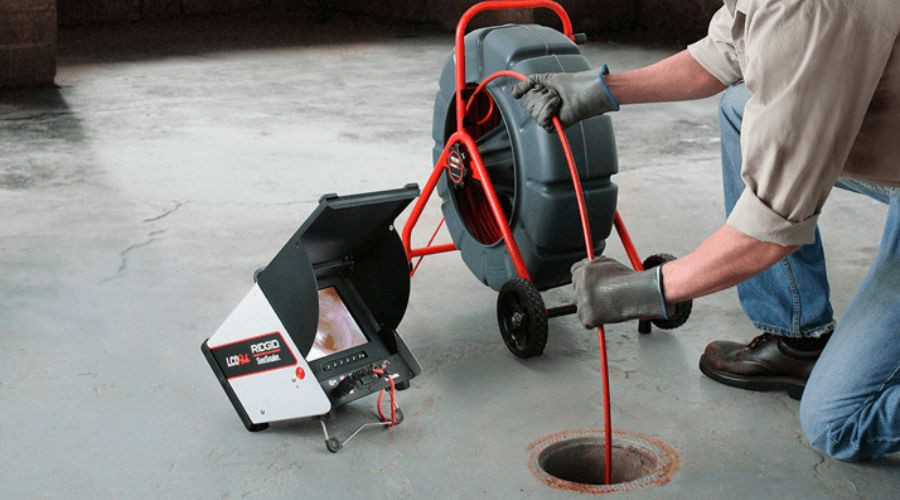
 Sewer inspection cameras are marvels of modern technology. Combining the utility of a
  The main benefit of paying for sewer camera inspection is that it can save much money if sewer line repair is necessary. Allowing a plumber to attempt sewer line repairs with nothing but a hunch about the problem is foolhardy and expensive. With sewer inspection services to pinpoint the source of problems, homeowners can get their sewer lines repaired more quickly at a lower cost than conventional repairs.
 )
