

How To Locate an Invisible Leak
While underground leaks cannot be seen inside the home, homeowners can still find signs of destruction. Puddles of water, a high water bill, and the sound of running water can all indicate an issue with the plumbing system. Leaks need to be repaired as soon as possible to avoid mold and costly home damage.
Which Signs Are Important?
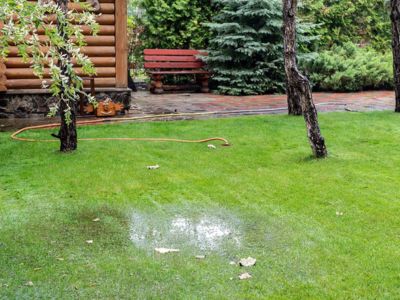 Underground leaks can cause physical differences in the outdoors. Small cracks can appear in the foundation if the leak is below a black top or sidewalk. The softer ground may shift. Bulges in the grass or even sinkholes can develop if the problem is neglected.
A decrease in water pressure is one sign that can be spotted from indoors. If a leak is caused by excessive clogging or erosion, this creates a lighter spray in both the bathroom and sink faucets. Low water pressure may require longer showers to feel truly clean. This problem cannot be fixed by purchasing a new showerhead.
Underground water leaks are sometimes heard from inside the home. Unusual hissing noises and the sound of running water are not normal when the plumbing system is working properly. This may indicate damage to the sewer system. Splashing and gurgling noises represent water flow and help plumbers locate the general vicinity of a leak in the walls or floor.
When a home becomes unusually damp, this can give off a foul odor throughout the building. This is usually due to mold or mildew building up under the floorboards. Mold is considered toxic if it is not removed from the premises and can cause several health issues, such as respiratory problems, headaches, and nausea.
If there are puddles of water on the lawn despite sunny weather, a mainline leak may be to blame. Above the leak is usually a patch of grass that is much brighter and overgrown than the rest of the lawn. This is due to the extra nutrients leaking from inside the sewer pipes. A trained technician can locate the exact spot where the line is cracked.
How To Check the Water Meter
A water meter is usually located outside the home near a curb or sidewalk. To check for hidden leaks underground, homeowners can examine the water flow in their plumbing system. If water continues to flow even when the main water valve is turned off, this is a clear sign of leakage.
The asterisk on the meter is supposed to turn when water appliances are in use. This includes washing machines, faucets, and toilets. If the asterisk stops moving when water is no longer in use, this is a sign that the integrity of the pipes has not been jeopardized.
Fixing an underground leak does not necessarily mean plumbers must dig up the yard to replace piping. It means they must use specialized tools to pinpoint the size of the crack and why it occurred.
Leak Detection Services
 Water leak detection services find both big and small breaks in the piping. This can be done through acoustic detection, noise correlators, and installation software. A leak detection system is one of the fastest ways to detect leaks.
A leak detection system measures water flow based on a specific household’s water usage. It is designed to understand the busy times and weekly patterns to alert homeowners when there is an irregular flow. This can be used over wifi or an app, depending on the software.
Acoustic leak detection uses microphones to detect moving water. Since copper and steel pipes carry sound long distances, plumbers can diagnose the issue while wearing headphones. Noise correlators are similar in that they use sensory input to detect movement. This automated process responds to the main control unit so leaks can be measured accurately.
Who is About Plumbing Inc.?
About Plumbing Inc. was founded by Greg Glore, a licensed plumber with over 20 years of experience. To learn more about their plumbing service and straightforward pricing for Jefferson County, MO, call About Plumbing Inc. today.
)
Distribution Links +
- wicz.com
- htv10.tv
- central.newschannelnebraska.com
- metro.newschannelnebraska.com
- midplains.newschannelnebraska.com
- northeast.newschannelnebraska.com
- plattevalley.newschannelnebraska.com
- panhandle.newschannelnebraska.com
- lifestyle.mykmlk.com
- lifestyle.3wzfm.com
- lifestyle.southernsportstoday.com
- lifestyle.thepodcastpark.com
- lifestyle.680thefan.com
- lifestyle.xtra1063.com
- lifestyle.953hlf.com
- lifestyle.rewind1019.com
- lifestyle.us983.com
- lifestyle.countrylegends1059.com
- lifestyle.967wshv.com
- lifestyle.1045thedan.com
- michigan.yournewsnet.com
- lifestyle.earl983.com
- lifestyle.maverick1023.com
- lifestyle.magic979wtrg.com
- lifestyle.1077lakefm.com
- https://smb.beauregardnews.com
- https://pr.hattiesburg.com
- https://pr.walnutcreekmagazine.com
- https://pr.thembnews.com
- https://pr.stylemg.com
- https://pr.bradfordvillebugle.com
- https://pr.boreal.org
- https://pr.timesofsandiego.com
- https://pr.chestercounty.com
- https://pr.wncbusiness.com
- https://pr.ashlandtownnews.com
- https://pr.millismedwaynews.com
- https://pr.norwoodtownnews.com
- https://pr.hopedaletownnews.com
- https://pr.franklintownnews.com
- https://pr.naticktownnews.com
- https://pr.norfolkwrenthamnews.com
- https://pr.omahamagazine.com
- https://pr.hollistontownnews.com
- https://pr.rivertonjournal.com
- https://pr.greenvillebusinessmag.com
- https://pr.davisjournal.com
- https://pr.columbiabusinessmonthly.com
- https://pr.herrimanjournal.com
- https://pr.holladayjournal.com
- https://pr.millcreekjournal.com
- https://pr.wvcjournal.com
- https://pr.mysugarhousejournal.com
- https://pr.westjordanjournal.com
- https://pr.midvalejournal.com
- https://pr.sandyjournal.com
- https://pr.southjordanjournal.com
- https://pr.draperjournal.com

)
)
)
