
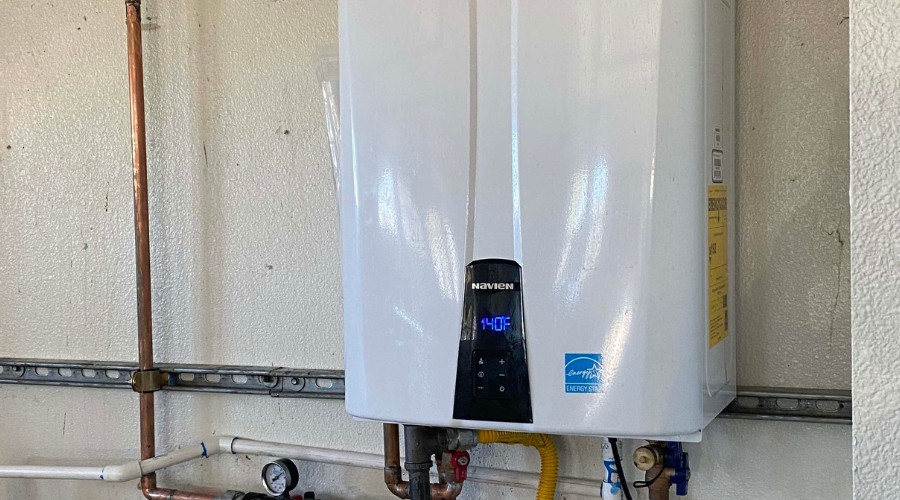
Why Go Tankless?
Tankless water heaters continue to gain attention across residential and light commercial plumbing projects. Many plumbing contractors recommend this system due to efficiency, performance, and long-term value. A shift toward tankless technology supports modern water heating needs without unnecessary waste.
Energy Efficiency
 Tankless water heaters heat water only when hot water demand occurs, rather than maintaining a constant supply in a storage tank. This process reduces standby heat loss, which is commonly experienced in traditional storage water heaters. Lower energy usage often results in reduced utility expenses and improved efficiency ratings.
Energy-efficient water heating remains a priority within the plumbing industry. Tankless systems use advanced heating elements or gas burners designed for precise temperature control. Consistent performance supports energy savings across daily water usage.
Modern plumbing contractors frequently highlight efficiency as a key advantage during water heater consultations. Reduced energy consumption aligns with current building standards and sustainability goals. Long-term operating savings add value to professional tankless water heater installation.
Endless Hot Water Supply and Space Savings
 Tankless water heaters deliver hot water on demand, rather than storing a limited supply in a tank. This design eliminates concerns related to running out of hot water during peak usage. Continuous hot water supports busy households and commercial settings.
On-demand operation ensures consistent water temperature during extended use. Multiple fixtures can receive hot water without delay when systems are properly sized. Reliable performance remains a major reason for choosing tankless water heater installation.
Tankless models feature compact designs without bulky storage tanks. Smaller units allow flexible installation options and free up valuable storage space. Space savings contribute to improved utility room organization and layout efficiency.
Longer Life Expectancy
Tankless water heaters often exceed a lifespan of 20 years with proper maintenance. Traditional storage water heaters generally require replacement after 10 to 15 years. An extended lifespan reduces replacement frequency and long-term equipment costs.
Durable components and replaceable parts contribute to increased longevity. Professional installation and routine service help maintain consistent operation. Reduced wear from constant heating also supports extended system life.
Plumbing contractors frequently recommend tankless systems for long-term investment value. Fewer replacements mean lower lifetime ownership costs. Reliable performance over decades adds confidence to the installation decision. Professional tankless water heater installation and repair services ensure proper system sizing, safe operation, and optimal performance.
Contact About Plumbing Inc.
About Plumbing Inc. is a trusted plumbing company serving Jefferson County, MO, and beyond. They offer the latest technology, affordable and effective solutions, and friendly and professional service. Call them for tankless water heater installation and repair services in Jefferson County, MO.
)
Distribution Links +
- https://go.chinesewire.com
- https://smb.bogalusadailynews.com
- https://smb.magnoliastatelive.com
- https://smb.orangeleader.com
- https://smb.panews.com
- https://smb.picayuneitem.com
- https://smb.lobservateur.com
- https://smb.panolian.com
- https://smb.americustimesrecorder.com
- https://smb.amnews.com
- https://smb.americanpress.com
- https://smb.dailyleader.com
- https://smb.oxfordeagle.com
- https://smb.bluegrasslive.com
- https://smb.claiborneprogress.net
- https://smb.elizabethton.com
- https://smb.jessaminejournal.com
- https://smb.kenbridgevictoriadispatch.com
- https://smb.thesnaponline.com
- https://smb.clemmonscourier.net
- https://smb.harlandaily.com
- https://smb.irontontribune.com
- https://smb.ourdavie.com
- https://smb.state-journal.com
- https://smb.thecharlottegazette.com
- https://smb.theinteriorjournal.com
- https://smb.tryondailybulletin.com
- https://smb.winchestersun.com
- https://smb.farmvilleherald.com
- https://smb.salisburypost.com
- https://smb.cordeledispatch.com
- https://smb.middlesboronews.com
- https://smb.thepostsearchlight.com
- https://pr.washingtoncitypaper.com
- https://smb.theleesvilleleader.com
- https://smb.prentissheadlight.com
- https://smb.beauregardnews.com
- https://pr.hattiesburg.com
- https://pr.walnutcreekmagazine.com
- https://pr.thembnews.com
- https://pr.boreal.org
- https://pr.timesofsandiego.com
- https://pr.chestercounty.com
- https://pr.wncbusiness.com
- https://pr.ashlandtownnews.com
- https://pr.millismedwaynews.com
- https://pr.norwoodtownnews.com
- https://pr.hopedaletownnews.com
- https://pr.franklintownnews.com
- https://pr.naticktownnews.com
- https://pr.norfolkwrenthamnews.com
- https://pr.hollistontownnews.com
- https://pr.rivertonjournal.com
- https://pr.columbiabusinessmonthly.com
- https://pr.herrimanjournal.com
- https://pr.holladayjournal.com
- https://pr.wvcjournal.com
- https://pr.midvalejournal.com
- https://pr.sandyjournal.com
- https://pr.southjordanjournal.com
- https://pr.cottonwoodheightsjournal.com
- https://pr.valleyjournals.com

 Gas water heaters provide lower operating costs than electric models. According to the U.S. Energy Information Administration, natural gas costs significantly less per BTU compared to electricity. This price difference often results in substantial savings over the
  Electric water heaters present a cost-effective installation option with fewer structural requirements. Most units can be installed without venting or gas line modifications, reducing project costs by $500 to $1,500 compared to gas systems. Electric models also avoid combustion risks, making them a safer alternative in many households.
)
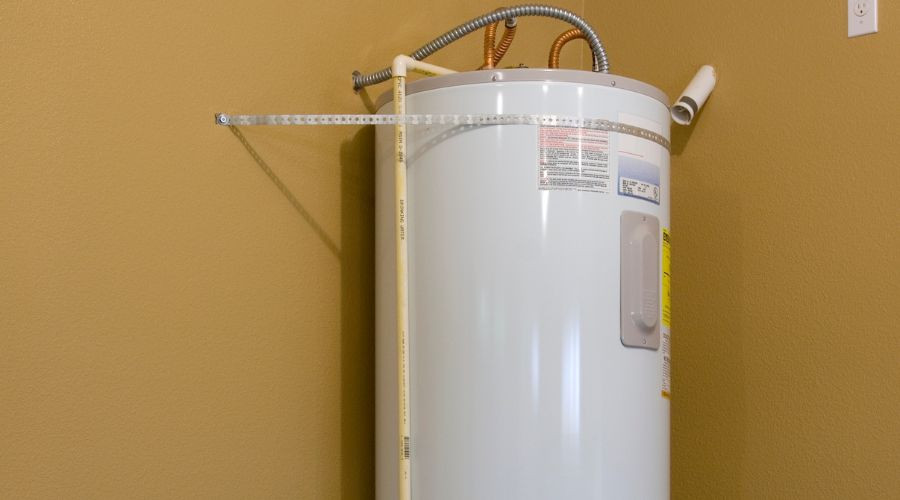
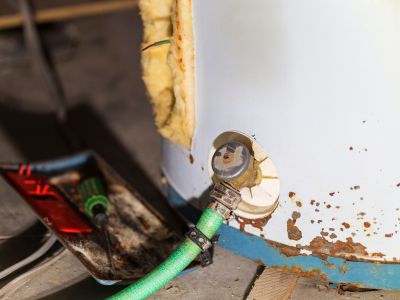 The maintenance of a water heater needs to be done regularly, as it impacts the efficiency, longevity, and safety of the unit. Draining and flushing the tank to remove
  Regular maintenance of the water heater is advised to improve overall performance and cost-effectiveness. Removing scale buildup and sediment can boost energy efficiency if maintenance is done regularly. It allows the unit to heat water more effectively while consuming 15% less energy. Additionally, regular maintenance helps extend the
 )
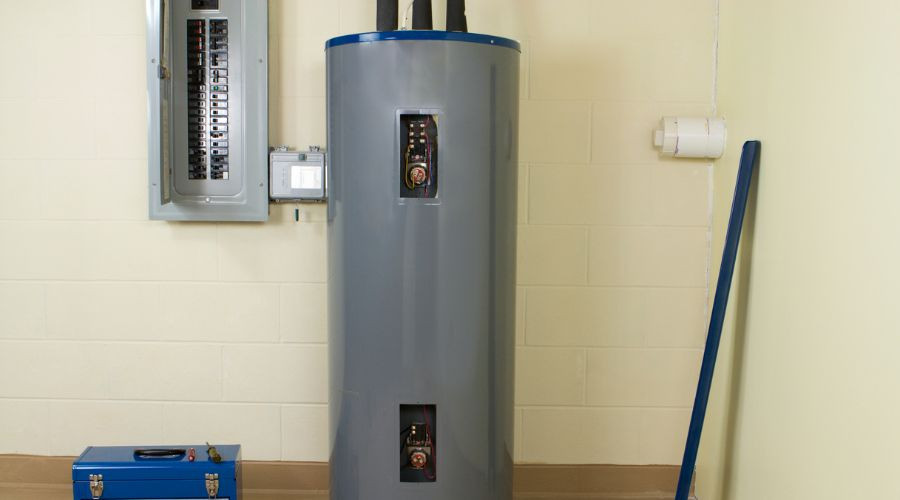
 Heating and cooling a home make up the biggest portions of the monthly energy expenditures. However, heating water is a close second. Water takes a lot of energy to heat to usable temperatures, and water heaters are designed to do this as efficiently as possible. However, there are times when a water heater will cause bills to go up simply because it needs repairs. Owners should take the time to monitor their bills every month to look for spikes that may indicate a need for water heater repairs.
  Hearing strange sounds from the water may be difficult since the water heater is usually in a place that is not consistently occupied. However, the sounds a water heater makes are great indicators of its operational status.
 )
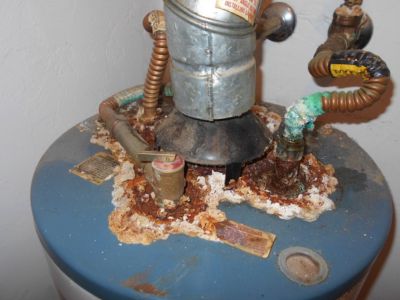 Corrosion is a real concern in
 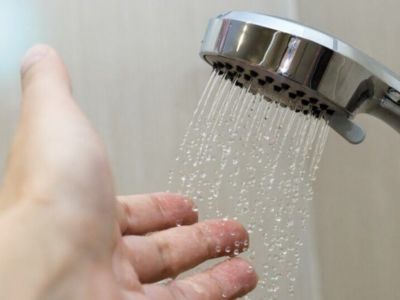 It's like that one hotel on the side of the highway where no matter how far to the "H" the shower knob was pushed, the water stayed lukewarm or just frigid. Sometimes, even water heaters in the home cannot perform the jobs they once were relied on to do - like the hot shower at the end of a long work day. If a water heater is no longer heating water effectively and there are lots of cold and lukewarm showers in the house, or if the shower starts hot but gets cold very quickly, it could be a sign that the unit is getting tired and may need to be retired and replaced.
 )
