
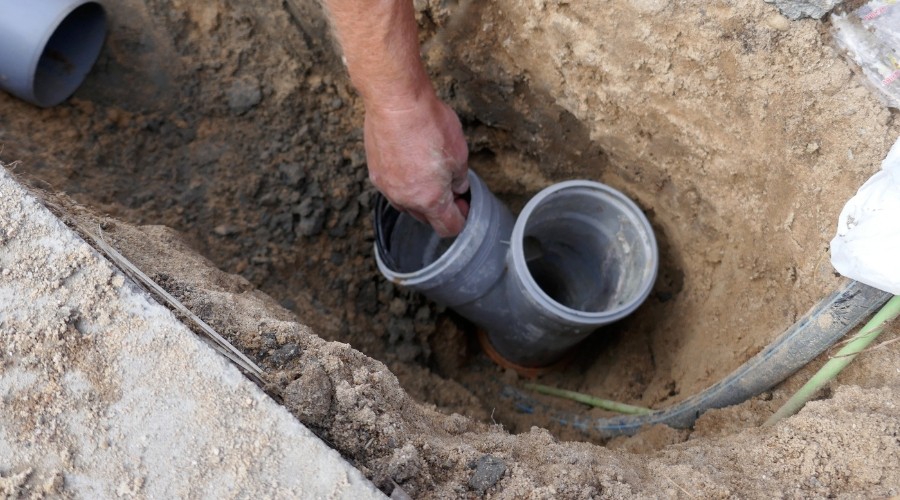
Important Basics to Know About Sewer Line Repair
Sewer line problems have a way of starting small and quietly building into major plumbing emergencies when left unaddressed for too long. Understanding the warning signs, the root causes, and the repair methods available gives homeowners a significant advantage in protecting one of the most critical components of a home's plumbing system. The sections below walk through everything worth knowing before a sewer line issue gets out of hand.
What Signs Indicate Sewer Line Repair Is Needed?
 Slow draining across multiple fixtures in the home is one of the earliest and most telling signs that something is wrong deeper in the plumbing system, particularly in the sewer line. When drains and toilets begin backing up, or when a strong sewage odor starts lingering around the property, those are clear signals that the sewer line may be damaged, blocked, or leaking somewhere along its length. Gurgling sounds coming from drains after water is used are another symptom worth taking seriously, as that sound often indicates air being displaced by a partial blockage or breach in the line.
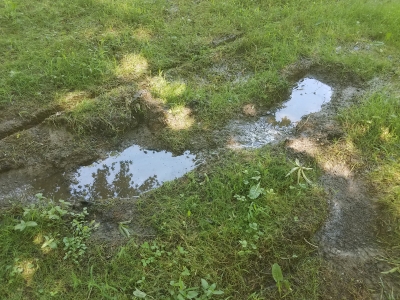
Beyond what can be heard or smelled indoors, the yard itself sometimes tells the story of a failing sewer line. Patches of unusually lush, green grass or unexpected plant growth in a specific area of the yard can point to a leak below ground, where escaping sewage is acting as a fertilizer for the surrounding soil. Soggy spots or unexplained puddles on the lawn, even during dry weather, are equally suspicious and often trace back to a sewer line that has cracked or separated beneath the surface.
Catching these signs early is the difference between a manageable repair and a full-scale plumbing crisis that affects the entire property. Any combination of these symptoms, especially when multiple are present at the same time, warrants a call to a licensed plumbing professional without delay. A thorough inspection can confirm whether the sewer line is the source of the problem and determine the best course of action before conditions worsen.
What Causes Sewer Line Damage?
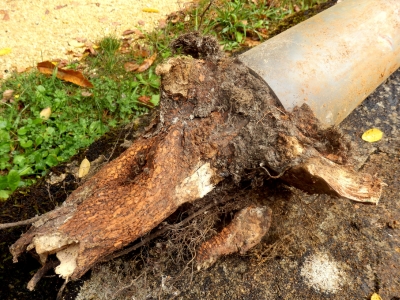 Sewer lines run underground, which makes them vulnerable to a range of environmental and structural forces that can quietly cause damage over months or even years. Shifting soil is a common culprit, as ground movement from seasonal changes, nearby construction, or settling places physical stress on buried pipes that can lead to cracks, misalignments, or complete separations in the line. Tree roots are equally destructive, as they naturally seek out moisture and nutrients, making sewer lines an attractive target that roots will infiltrate and expand within until the pipe is compromised.
Older sewer lines face a different but equally serious threat in the form of age and corrosion, particularly those made from cast iron or clay materials that were common in homes built several decades ago. As these materials deteriorate over time, the pipe walls weaken, become brittle, and eventually fail, creating leaks or collapses that require prompt professional attention. The older the plumbing system, the greater the likelihood that age-related wear is contributing to recurring sewer line issues.
Clogs and blockages that are left untreated long enough can also inflict lasting damage on a sewer line by creating pressure buildup that stresses pipe joints and walls. Items that should never be flushed, grease poured down drains, and accumulated debris all contribute to blockages that can escalate from a nuisance into a structural problem over time. Addressing clogs early and maintaining mindful habits around what enters the plumbing system goes a long way toward protecting the sewer line from avoidable damage.
How Is Sewer Line Repair Done?
Before any repair work begins, professionals rely on sewer video inspection to get a clear and accurate picture of what is happening inside the line. A small, waterproof camera is fed through the pipe, transmitting live footage that allows technicians to pinpoint the exact location of the problem, identify its cause, and assess the full extent of the damage. This diagnostic step eliminates guesswork and ensures that the repair strategy chosen is the right fit for the specific situation at hand.
When the damage is identified as limited in scope and the surrounding ground conditions are suitable, trenchless sewer repair is often the preferred method due to its minimal disruption to the property. Techniques such as pipe lining or pipe bursting allow professionals to rehabilitate or replace a damaged sewer line without the need for extensive digging, preserving landscaping, driveways, and other structures above ground. Trenchless methods tend to be faster and less invasive, making them a highly desirable option when the conditions allow for it.
In situations where the damage is more severe or widespread, traditional sewer line repair or full replacement through excavation becomes the necessary course of action. While this approach requires digging to access the affected section of pipe, it allows technicians to directly address significant damage that trenchless methods cannot adequately resolve. Regardless of which repair method is required, having a skilled plumbing professional handle the job ensures the work is done correctly, restoring the sewer line to full function and protecting the home for years to come.
Contact About Plumbing Inc.
About Plumbing Inc. is a reliable plumbing solutions company serving Jefferson County, MO, and beyond. They offer straightforward pricing, trustworthy technicians, and 100% satisfaction guaranteed. Call them today for sewer line repairs in Jefferson County, MO.
)
Distribution Links +
- https://go.chinesewire.com
- https://smb.bogalusadailynews.com
- https://smb.magnoliastatelive.com
- https://smb.orangeleader.com
- https://smb.lobservateur.com
- https://smb.panolian.com
- https://smb.amnews.com
- https://smb.americanpress.com
- https://smb.dailyleader.com
- https://smb.oxfordeagle.com
- https://smb.bluegrasslive.com
- https://smb.elizabethton.com
- https://smb.jessaminejournal.com
- https://smb.kenbridgevictoriadispatch.com
- https://smb.thesnaponline.com
- https://smb.clemmonscourier.net
- https://smb.irontontribune.com
- https://smb.ourdavie.com
- https://smb.state-journal.com
- https://smb.thecharlottegazette.com
- https://smb.theinteriorjournal.com
- https://smb.tryondailybulletin.com
- https://smb.winchestersun.com
- https://smb.salisburypost.com
- https://smb.cordeledispatch.com
- https://smb.middlesboronews.com
- https://smb.thepostsearchlight.com
- https://pr.washingtoncitypaper.com
- https://smb.prentissheadlight.com
- https://pr.hattiesburg.com
- https://pr.boreal.org
- https://pr.walnutcreekmagazine.com
- https://pr.thembnews.com
- https://pr.chestercounty.com
- https://pr.wncbusiness.com
- https://pr.ashlandtownnews.com
- https://pr.franklintownnews.com
- https://pr.hollistontownnews.com
- https://pr.hopedaletownnews.com
- https://pr.naticktownnews.com
- https://pr.millismedwaynews.com
- https://pr.norfolkwrenthamnews.com
- https://pr.norwoodtownnews.com
- https://pr.columbiabusinessmonthly.com
- https://pr.herrimanjournal.com
- https://pr.holladayjournal.com
- https://pr.midvalejournal.com
- https://pr.southjordanjournal.com
- https://pr.valleyjournals.com
- https://pr.wvcjournal.com
- https://pr.cottonwoodheightsjournal.com

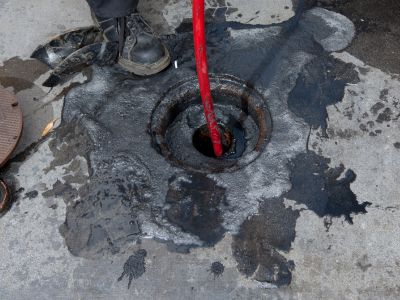 Hydro jetting is a powerful plumbing technique that uses high-pressure water streams to eliminate stubborn drain and sewer line clogs that traditional methods can't handle. This powerful
  Persistent
 )
